 Skip to content

Fast answer: choose Sony if you want the deepest E-mount ecosystem, aggressive autofocus/video options, compact cinema bodies and the current global-shutter specialist in the Sony Alpha 9 III. Choose Nikon if you want excellent ergonomics, strong color, Z-mount glass, serious hybrid bodies like the Nikon Z6 III and Nikon Z8, and a newly serious video/cinema lane with the Nikon ZR. The lazy old answer was “Sony for video, Nikon for photos.” In 2026 that is too simple to be useful.
Current-source check: Sony’s 2026 story now includes the Sony Alpha 7 V, Sony Alpha 1 II, Sony Alpha 9 III, Sony FX2, Sony FX3 and Sony FX6. Nikon’s current story includes the Nikon Z5 II, Nikon Z6 III, Nikon Z8, Nikon Z9 and Nikon ZR. If an old comparison ignores the Sony Alpha 7 V or Nikon RED/ZR lane, it is behind.

Sony Alpha 7 V
Best practical Sony full-frame hybrid
Amazon/MSRP check: about $2,898-$2,899 body only
Check Current Price
Sony Alpha 9 III
Global-shutter sports/action specialist
Amazon/MSRP check: about $6,398
Check Current Price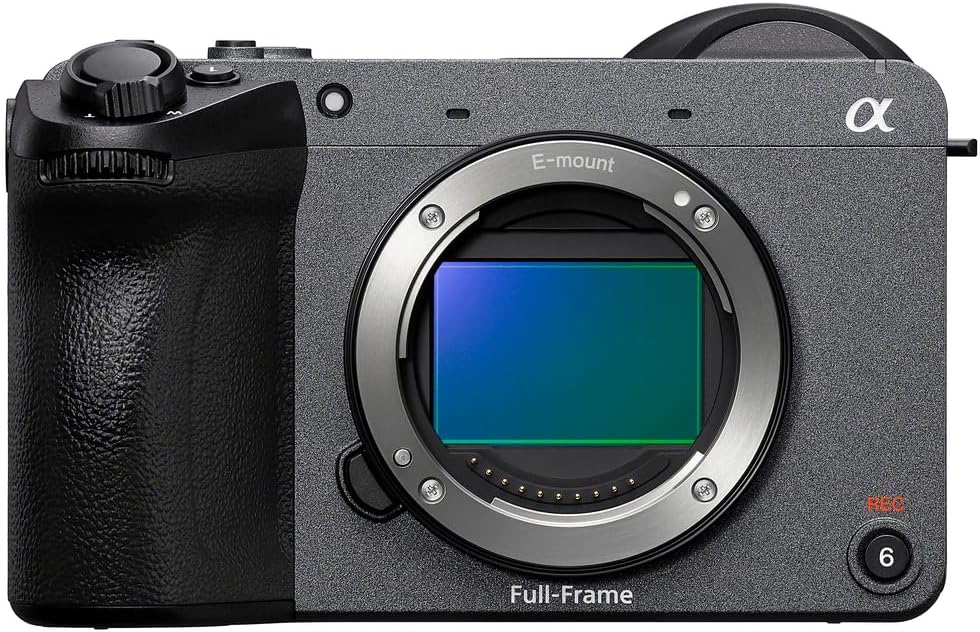


Nikon ZR
Nikon RED cinema lane
Amazon/MSRP check: about $2,199 body-only when clean listings are available
Check Current PriceNikon vs Sony: The Short Version
| Buyer | Sony fit | Nikon fit | My call |
|---|---|---|---|
| Beginner full-frame | Sony Alpha 7 IV if discounted or Sony Alpha 7 V if budget allows. | Nikon Z5 II is the clean value body to check first. | Nikon is very strong for value. Sony wins if E-mount lens choice matters more. |
| Hybrid creator | Sony Alpha 7 V is the new practical center of the Sony line. | Nikon Z6 III is Nikon’s sweet-spot hybrid with strong video specs. | Compare body price, lens cost and video workflow before choosing. |
| High-resolution stills | Sony Alpha 7R V or Sony Alpha 1 II. | Nikon Z8 if you want a pro hybrid body instead of just megapixels. | Sony has obvious resolution choices; Nikon’s Z8 is more of a complete pro hybrid. |
| Sports/action | Sony Alpha 9 III if global shutter and flash sync matter. | Nikon Z9 or Nikon Z8 if Nikon ergonomics, stacked speed and system fit matter. | Sony has the global-shutter flex; Nikon has serious stacked-sensor workhorses. |
| Video-first creator | Sony FX2, Sony FX3 and Sony FX6 give Sony a mature Cinema Line ladder. | Nikon ZR makes Nikon newly dangerous in compact cinema, especially with RED color science. | Sony still has the broader video body ladder. Nikon is no longer a casual afterthought. |
| Lens ecosystem | E-mount has huge Sony, Sigma, Tamron, Samyang and cinema-lens depth. | Z-mount glass is excellent, and the lineup is maturing quickly. | Sony wins volume. Nikon wins if the specific Z lenses you need are already covered. |
What Changed Since The Old Nikon vs Sony Debate
The old comparison usually treated Sony as the obvious video system and Nikon as the comfortable photography system. That was never completely fair, and it is even less fair now. Sony still has a brutal advantage in lens depth and a mature creator/cinema ladder. But Nikon’s Nikon Z6 III brought a partially-stacked hybrid body with serious internal video options, and the Nikon ZR brings Nikon’s RED acquisition into an actual compact cinema product. That matters.
Sony’s Alpha 7 V page positions the Sony Alpha 7 V around a 33 MP partially-stacked Exmor RS sensor, BIONZ XR2, AI subject recognition, blackout-free bursts and high dynamic range claims. Nikon’s Z6III page frames the Nikon Z6 III around a 24.5 MP partially-stacked sensor, faster readout than the Z6II, pre-release capture and internal 6K RAW/ProRes RAW options. Different flavors. Both serious.
Sony Strengths In 2026
- Lens choice. E-mount has the most mature third-party ecosystem. That makes budget planning easier.
- Video body ladder. The Sony FX2, Sony FX3 and Sony FX6 create a clear creator-to-production path.
- Autofocus depth. Sony’s subject-recognition and AF tracking remain a major reason people stay in the system.
- Global shutter option. The Sony Alpha 9 III is the obvious full-frame global-shutter body for sports, flash and distortion control.
- Small-body choices. Sony has compact full-frame and APS-C options for creators who do not want a camera brick.
Nikon Strengths In 2026
- Ergonomics and handling. Nikon bodies often feel less like a menu system taped to a sensor.
- Value full-frame. The Nikon Z5 II is a strong do-not-overbuy option.
- Hybrid workhorse lane. The Nikon Z6 III and Nikon Z8 cover a lot of serious creator/pro work.
- Flagship confidence. The Nikon Z9 proved Nikon can build a no-mechanical-shutter pro body around fast electronic capture.
- New cinema credibility. The Nikon ZR is the big update: RED color science, 6K cinema positioning and a very different Nikon video story.
The Lens Question
Sony still wins the spreadsheet battle on lens depth. There are simply more E-mount options at more prices. If your budget depends on Tamron, Sigma, used lenses, compact primes, power zooms, or third-party alternatives, Sony is easier to build around. That is not hype; it is inventory reality.
Nikon’s Z lenses are not weak. They are often excellent. The question is whether the exact lens path you need exists at the price you can tolerate. A Nikon Z6 III with the right Z glass can be a better working kit than a Sony body with random cheap glass. Bodies get attention. Lens decisions quietly decide whether the kit is actually fun to use.
Video: Sony Still Leads, Nikon Is Now Serious
Sony has the broader video/cinema ecosystem. The Sony FX2 gives creators a lower-cost full-frame Cinema Line entry, the Sony FX3 remains a compact workhorse, and the Sony FX6 adds the pro run-and-gun lane with built-in variable ND and production ergonomics. That ladder matters if your work may grow from solo content to client production.
Nikon’s counterpunch is the Nikon ZR. Nikon’s own release describes a full-frame Z Cinema Camera with R3D NE, RED color science and 15+ stops positioning. That does not automatically erase Sony’s Cinema Line advantage, but it changes the tone. Nikon is no longer just saying “our stills cameras can also shoot video.” It is building a cinema lane.
Buying Rules I Would Use
| Rule | Why it matters |
|---|---|
| Buy the lens path, not just the body. | A body bargain gets expensive if the lenses you need cost more or do not exist. |
| Do not overbuy flagships. | Sony Alpha 1 II, Sony Alpha 9 III and Nikon Z9 are incredible, but most creators need a profitable kit, not a trophy. |
| For paid video, think workflow. | Audio, rigging, monitoring, heat, cards, batteries, codecs and color matter as much as sensor specs. |
| For sports/action, readout matters. | Global and stacked sensors reduce distortion and improve electronic-shutter confidence. |
| For beginners, buy the camera you will carry. | A smaller cheaper kit used weekly beats a dream body sitting in a bag judging you silently. |
Related Nitro Camera Guides
- Best Sony cameras in 2026 for the Sony-specific ladder.
- Best Nikon cameras in 2026 for the Nikon-specific ladder.
- Sony E-mount lens guide if lens cost is the real decision.
- Canon camera buying guide if you are comparing all three major systems.
FAQ
Is Nikon better than Sony for photography?
Nikon can be better for some photographers because of handling, color preference, Z lens choices and value bodies like the Nikon Z5 II or Nikon Z6 III. Sony can be better if lens breadth, autofocus ecosystem and compact body choices matter more.
Is Sony better than Nikon for video?
Sony still has the broader video/cinema ladder with the Sony FX2, Sony FX3 and Sony FX6. Nikon is much stronger than old comparisons suggest because of the Nikon Z6 III and Nikon ZR.
Which brand should a beginner choose?
If budget is tight, compare the Nikon Z5 II against discounted Sony bodies. If you expect to build a large lens kit over years, Sony’s E-mount depth is a strong argument. Either way, spend less energy worshipping brands and more energy buying a kit that fits the work.
Body-By-Body Buying Ladder
The useful way to compare Nikon and Sony is not fanbase versus fanbase. It is body ladder versus body ladder. Sony has a mature spread from hybrid Alpha bodies into FX cinema bodies. Nikon has become more compelling in the middle with the Nikon Z5 II and Nikon Z6 III, stays serious at the top with the Nikon Z8 and Nikon Z9, and now has a more interesting compact cinema argument with the Nikon ZR.
| Need | Sony bodies to compare | Nikon bodies to compare | Buying note |
|---|---|---|---|
| Affordable full-frame | Sony Alpha 7 IV if discounted; Sony Alpha 7 V if the newer body fits budget. | Nikon Z5 II. | Do not overbuy if the real need is family, travel, small business content or beginner paid work. |
| Best hybrid middle | Sony Alpha 7 V. | Nikon Z6 III. | This is the comparison most normal serious buyers should make first. |
| High resolution | Sony Alpha 7R V and Sony Alpha 1 II. | Nikon Z8 if the body/workflow fits better than pure megapixel chasing. | Resolution is useful only if storage, lenses and delivery justify it. |
| Action/sports | Sony Alpha 9 III for global shutter; Sony Alpha 1 II for flagship hybrid. | Nikon Z9 and Nikon Z8. | Readout speed and AF matter more than brand arguments in comment sections. |
| Cinema/production | Sony FX2, Sony FX3 and Sony FX6. | Nikon ZR plus higher-end Nikon/RED ecosystem context. | Sony has the fuller ladder; Nikon finally has a punchy compact cinema story. |
Lens Ecosystem Is Where The Real Money Hides
Camera bodies are loud. Lenses are where the budget quietly gets ambushed. Sony E-mount has the advantage in third-party depth, used availability, compact primes, budget zooms, specialty lenses and cinema-adjacent options. If you are building a kit from scratch and want maximum price flexibility, Sony is hard to ignore.
Nikon Z-mount is not weak, but it is a more deliberate lane. Nikon’s own Z lenses are often excellent, and the system feels very good when you buy into the glass that matches it. The question is whether your exact kit path exists at the price you want. If you need a lightweight travel zoom, a fast event pair, a wildlife lens, a compact portrait kit or a video-friendly zoom set, price those lenses before you crown a winner.
Video Workflow Comparison
| Workflow need | Sony advantage | Nikon advantage | Plain-English verdict |
|---|---|---|---|
| Solo creator camera | Sony Alpha 7 V or Sony FX2 with E-mount lens depth. | Nikon Z6 III if you like Nikon handling and codecs/features fit. | Both can work. Sony is easier to expand; Nikon may feel better in hand. |
| Client production | Sony FX3 and Sony FX6 are known quantities on many sets. | Nikon ZR is the interesting newer compact cinema wildcard. | Sony is safer for broad production compatibility. Nikon is worth watching closely. |
| Sports/action video | Sony Alpha 9 III global shutter or fast Alpha/FX options. | Nikon Z8 and Nikon Z9 fast stacked readout. | Global shutter is Sony’s headline. Nikon is still very serious with stacked bodies. |
| Color/workflow preference | Sony is extremely flexible but can feel clinical to some shooters. | Nikon color and RED-adjacent ZR story may appeal to shooters who dislike heavy grading fuss. | Shoot tests matter more than forum theology. |
| Rigging and audio | FX bodies have production-oriented accessories and familiarity. | ZR and Nikon hybrid bodies need closer accessory/workflow planning. | The camera is only one piece. Audio, monitoring and power decide real jobs. |
Who Should Pick Sony
- Pick Sony if you want the broadest lens market and a clear path from Sony Alpha 7 V to Sony FX3 or Sony FX6.
- Pick Sony if global shutter matters and the Sony Alpha 9 III solves a real sports, flash or distortion problem.
- Pick Sony if third-party lenses are central to your budget. Sigma, Tamron and used-market choice can change the total cost of ownership.
- Pick Sony if you collaborate with video teams already standardized on Sony color, batteries, cages, LUTs or FX bodies.
- Pick Sony if you care more about ecosystem speed than a camera that feels charming.
Who Should Pick Nikon
- Pick Nikon if the Nikon Z6 III or Nikon Z5 II gives you the right balance of body, price and handling.
- Pick Nikon if you value ergonomics, stills feel, Z lens quality and a body that does not make you fight menus all day.
- Pick Nikon if the Nikon Z8 or Nikon Z9 fits your pro hybrid or action work.
- Pick Nikon if the Nikon ZR and RED cinema direction are genuinely relevant to your video workflow.
- Pick Nikon if you already own Nikon glass or prefer the way Nikon files look before you start turning color into a weekend project.
What I Would Not Do
I would not switch brands because one body has one feature on a spec sheet. I would not ignore lens cost. I would not buy a flagship to solve a beginner workflow problem. I would not treat Sony as automatically better for every video job or Nikon as automatically better for every photography job. That take expired a while ago and should be removed from the fridge.
I also would not buy padded bundles blindly. A bundle with a slow card, sad tripod, random bag and mystery filters is not a deal. Count only accessories you would have bought separately. Everything else is retail confetti.
Used And Older Bodies Worth Thinking About
The current camera conversation should focus on current bodies, but older bodies still matter when the price is right. A discounted Sony Alpha 7 IV can make sense for creators who do not need the newest autofocus/readout story. A used Sony FX3 can be a smarter production buy than a new hybrid body if video workflow is the point. On the Nikon side, used Nikon Z8 or Nikon Z9 pricing can change the equation for serious shooters, while the Nikon Z5 II keeps the new-body value argument clean.
| Older/value path | When it makes sense | When to skip |
|---|---|---|
| Sony Alpha 7 IV | Discounted hybrid body for creators who want E-mount without paying newest-body pricing. | Skip if fast readout, latest AF or newest video tools matter. |
| Sony FX3 | Video-first production body when rigging, audio and client familiarity matter. | Skip if you mostly shoot stills or need a lower-cost hybrid. |
| Nikon Z8 | Used or discounted pro hybrid for people who need speed, resolution and Nikon handling. | Skip if it turns the lens budget into a sad little candle. |
| Nikon Z9 | Flagship Nikon work when size, speed and pro durability are justified. | Skip if the body is more impressive than your actual workload. |
| Nikon Z5 II | Clean full-frame value for people entering Nikon Z now. | Skip if you need a higher-end video or action body. |
Final Buying Framework
If you still feel stuck, do this in order: pick your lenses, pick your workflow, then pick your body. Lens path decides cost. Workflow decides whether you need hybrid, cinema, sports, high resolution or travel size. Body choice comes last. That order prevents the classic camera-buyer mistake: falling in love with a body, then discovering the kit you actually need costs another mortgage payment.
Sources Checked For This Refresh
| Source | Why it matters |
|---|---|
| Sony Alpha 7 V | Current official Sony Alpha 7 V feature framing. |
| Sony Alpha 1 II | Current flagship Sony hybrid context. |
| Sony Alpha 9 III | Official global-shutter Sony camera context. |
| Sony FX2 | Current Sony Cinema Line lower-cost full-frame context. |
| Nikon Z5II | Current Nikon value full-frame release source. |
| Nikon Z6III | Current Nikon hybrid feature source. |
| Nikon ZR | Current Nikon RED cinema release source. |
| Nikon Z9 technology story | Electronic shutter/pro Nikon context. |


