 Skip to content
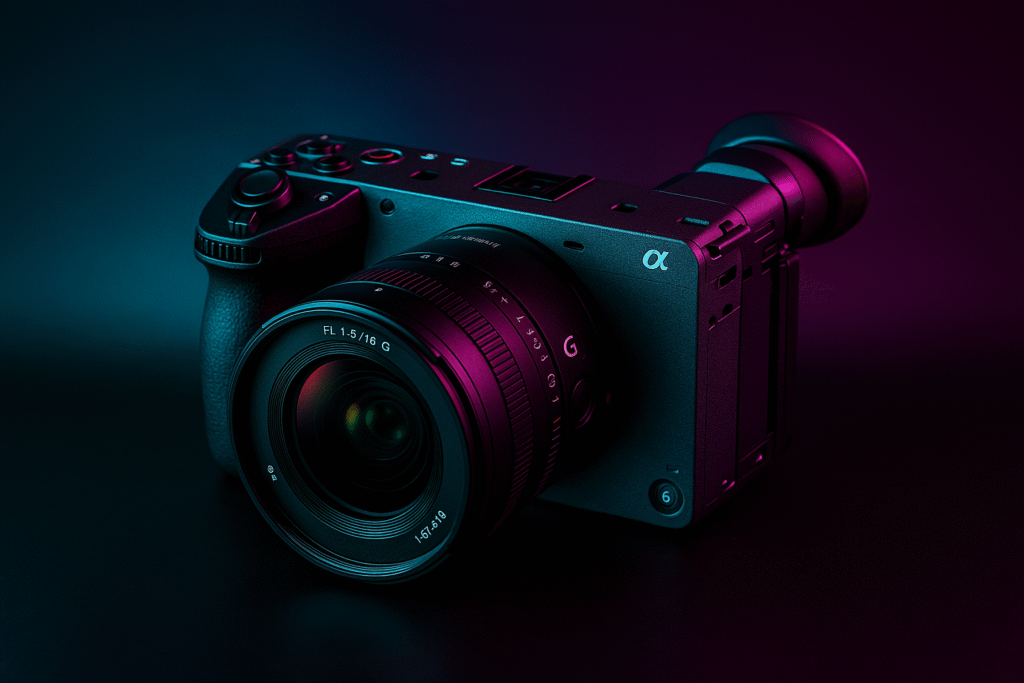
The Sony FX2 is one of those cameras that sounds simple until you actually try to place it in Sony’s lineup. It is not a clean replacement for the Sony FX3. It is not a budget Sony FX6. It is not just an Sony a7 IV wearing a Cinema Line jacket and trying to sneak into a paid shoot. It sits in the awkward but useful middle: full-frame image quality, Cinema Line workflow, creator-friendly stills, and enough compromises to make the buying decision interesting.
So here is the blunt version. The Sony FX2 is a strong solo-creator and small-crew camera if you want a compact full-frame body with Cinema Line color, 33MP stills, an angle-adjustable EVF, internal cooling, and modern autofocus. It is a weird buy if you actually needed the Sony FX3‘s low-light/4K120 style body, the Sony FX6‘s built-in variable ND and production ergonomics, or the cheaper Super 35 value of the Sony FX30. Good camera. Not magic. Definitely not for everyone.
Fast verdict: Buy the Sony FX2 if you want a full-frame hybrid cinema camera for interviews, branded content, social video, travel production, real estate/media work, and small-crew shoots where size matters. Skip it if your work needs built-in ND, 4K120 full-frame, the cleanest low-light body, or a true cinema production camera. This is a practical creator tool, not a tiny Sony FX6.

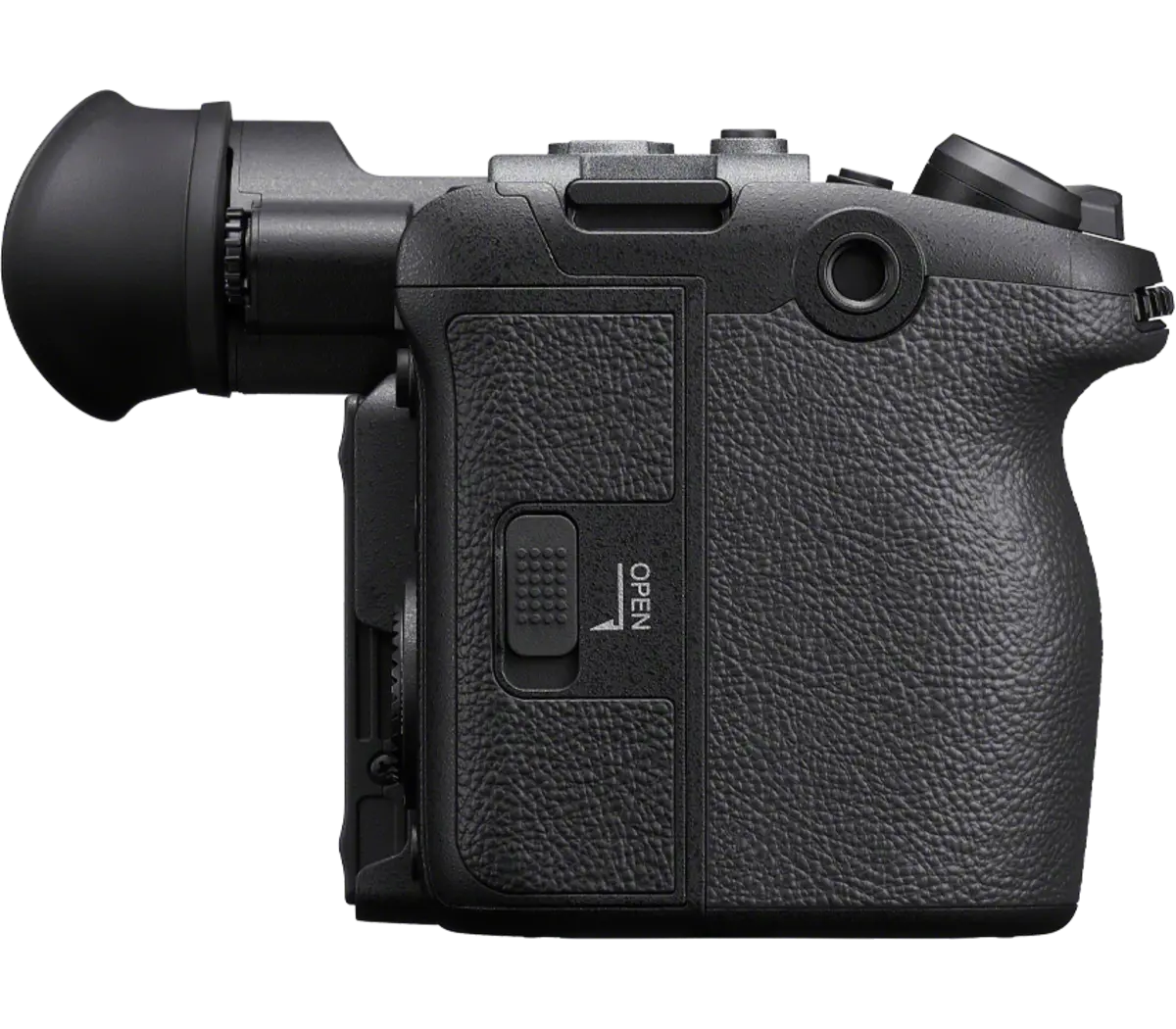
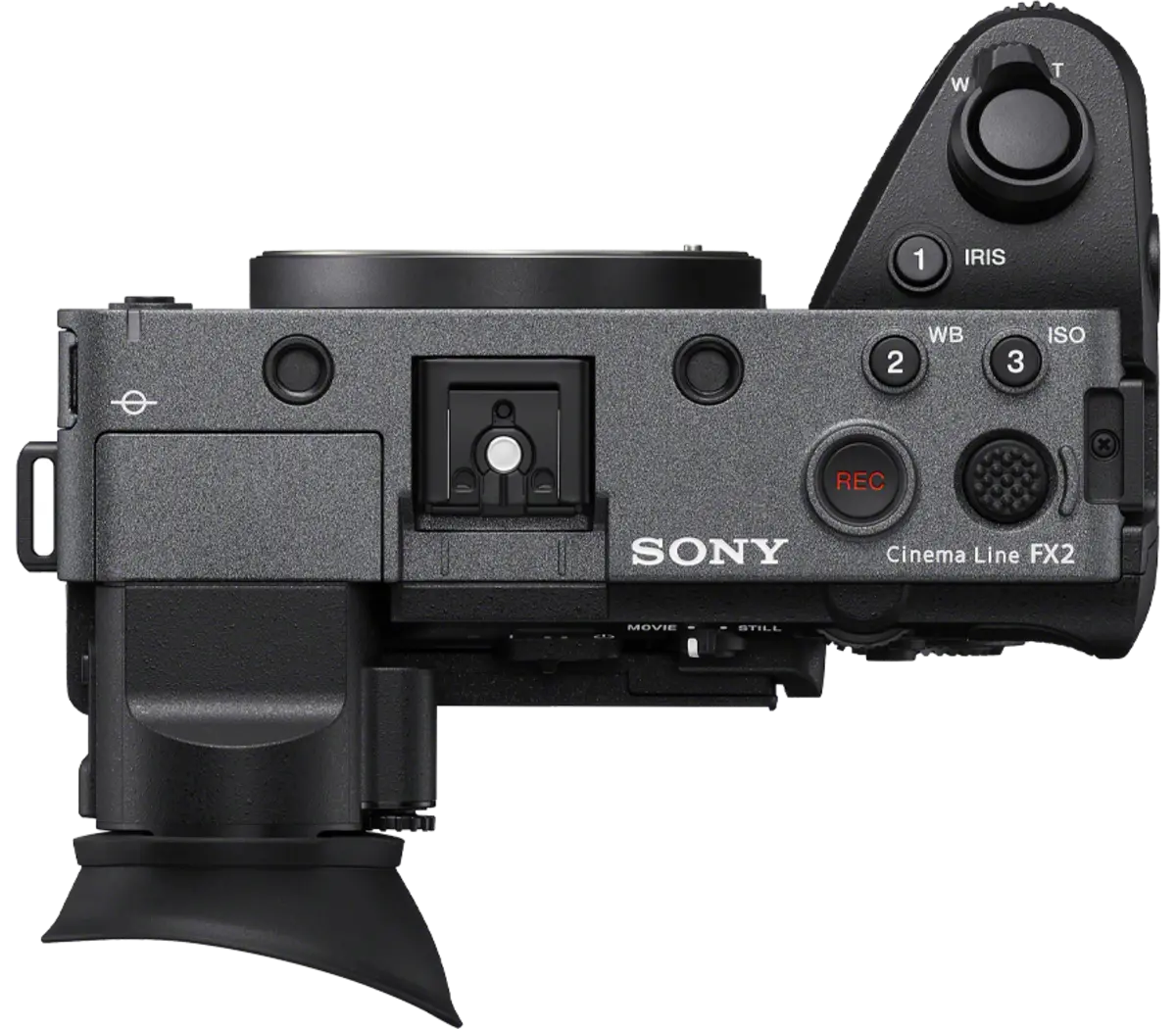
Key Takeaways
- Best buyer: solo filmmakers, YouTubers, agencies, social teams, and small production crews that want a full-frame Cinema Line body with strong stills.
- Big win: 33MP full-frame sensor, 4K recording, S-Cinetone/S-Log3 workflow, AI autofocus, internal cooling, and a compact body that can live on smaller rigs.
- Main problem: the Sony FX2 sits close enough to the Sony FX3, Sony FX30, Sony FX6, and Sony a7 IV that you need to know exactly why you are buying it.
- Price reality: U.S. body-only pricing has been seen around the high-$2,000 range depending on retailer, kit, and seller. Amazon pricing can move, so verify the current listing before checkout.
- My take: the Sony FX2 makes sense when you want Cinema Line workflow and higher-resolution stills in one body. If video is the only job, compare it hard against the Sony FX3 and Sony FX30 first.
Sony FX2 Specs That Actually Matter
Spec sheets can turn into alphabet soup fast, and camera companies love alphabet soup. What matters is whether the spec changes what you can shoot, how fast you can work, or how many accessories you need to drag around.
| Spec or feature | Why it matters in real work | Plain-English read |
|---|---|---|
| 33MP full-frame Exmor R sensor | Gives you strong stills and oversampled 4K options. | This is where the Sony FX2 feels more hybrid than the Sony FX3. |
| 4K video up to 60p | Works for interviews, branded content, social, events, and controlled B-roll. | Plenty for most paid creator work, but not the slow-motion monster some people want. |
| S-Cinetone, S-Log3, Cine EI, Flexible ISO | Lets you keep Sony color workflow consistent with other Cinema Line bodies. | Useful if you already deliver Sony jobs or match other Sony cameras. |
| AI autofocus and subject recognition | Helps solo shooters keep people sharp without a dedicated focus puller. | One of the biggest reasons small teams keep buying Sony. |
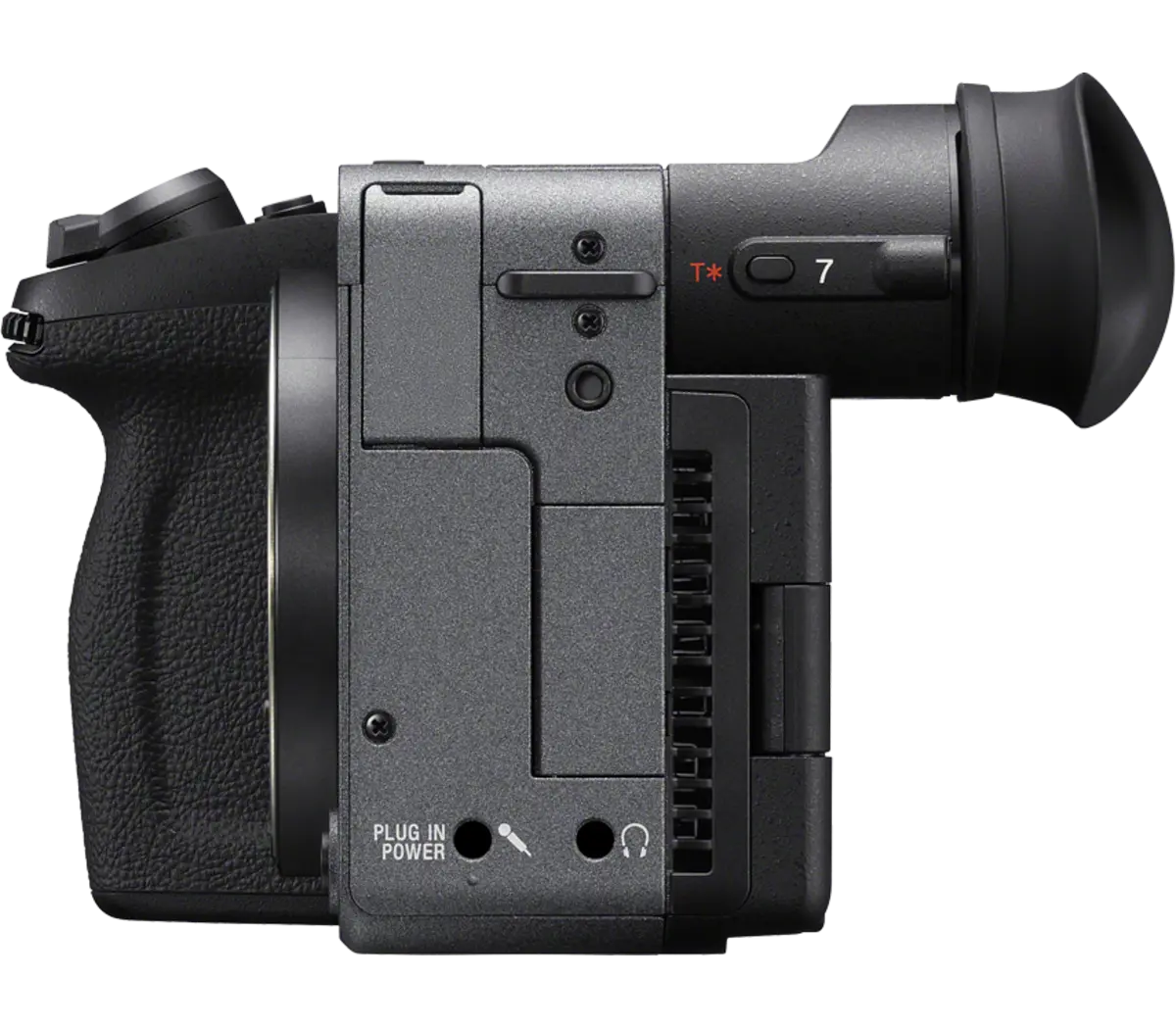
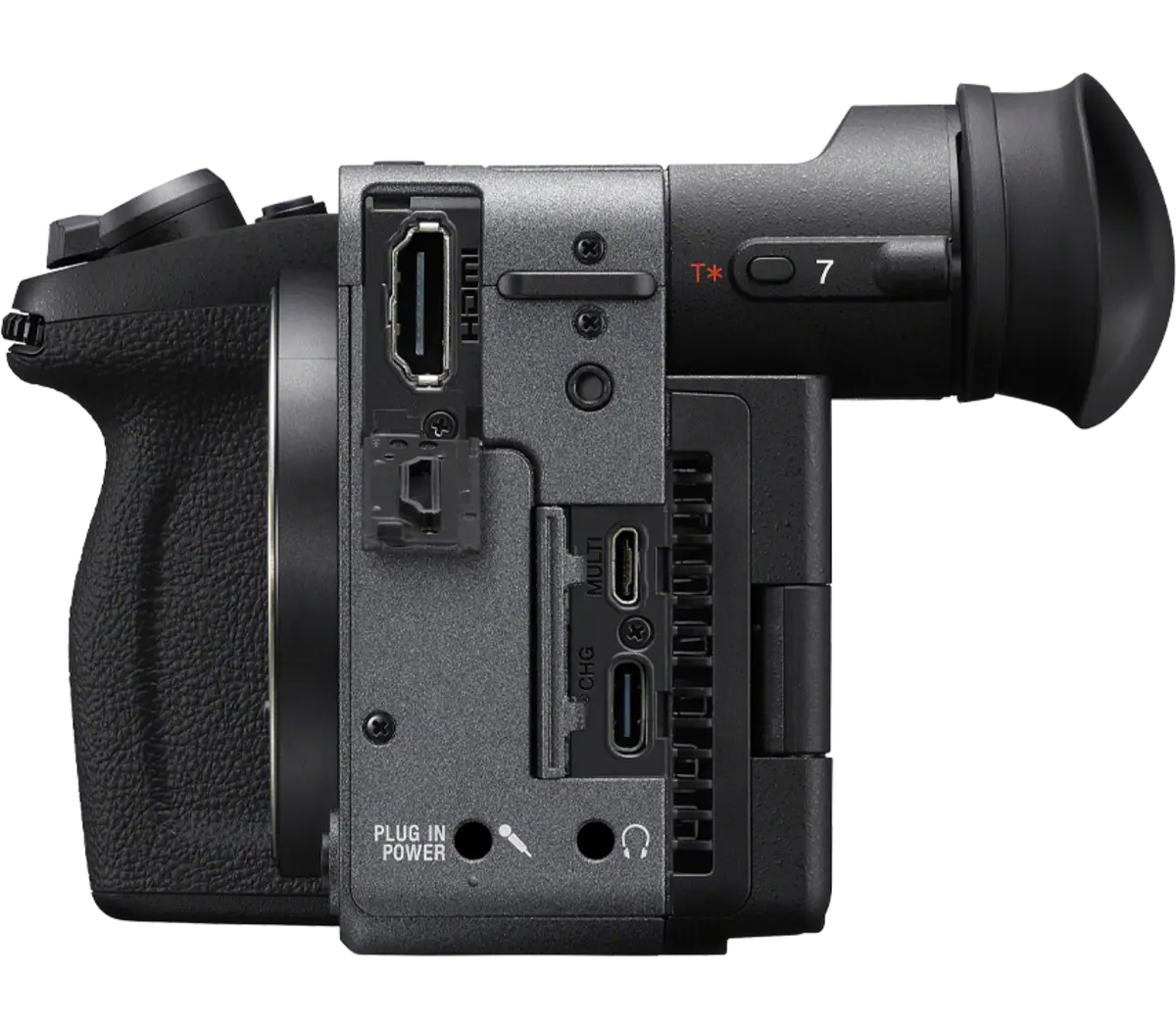
| Internal cooling fan | Helps with longer interview/event takes and less heat anxiety. | Not glamorous. Extremely useful. |
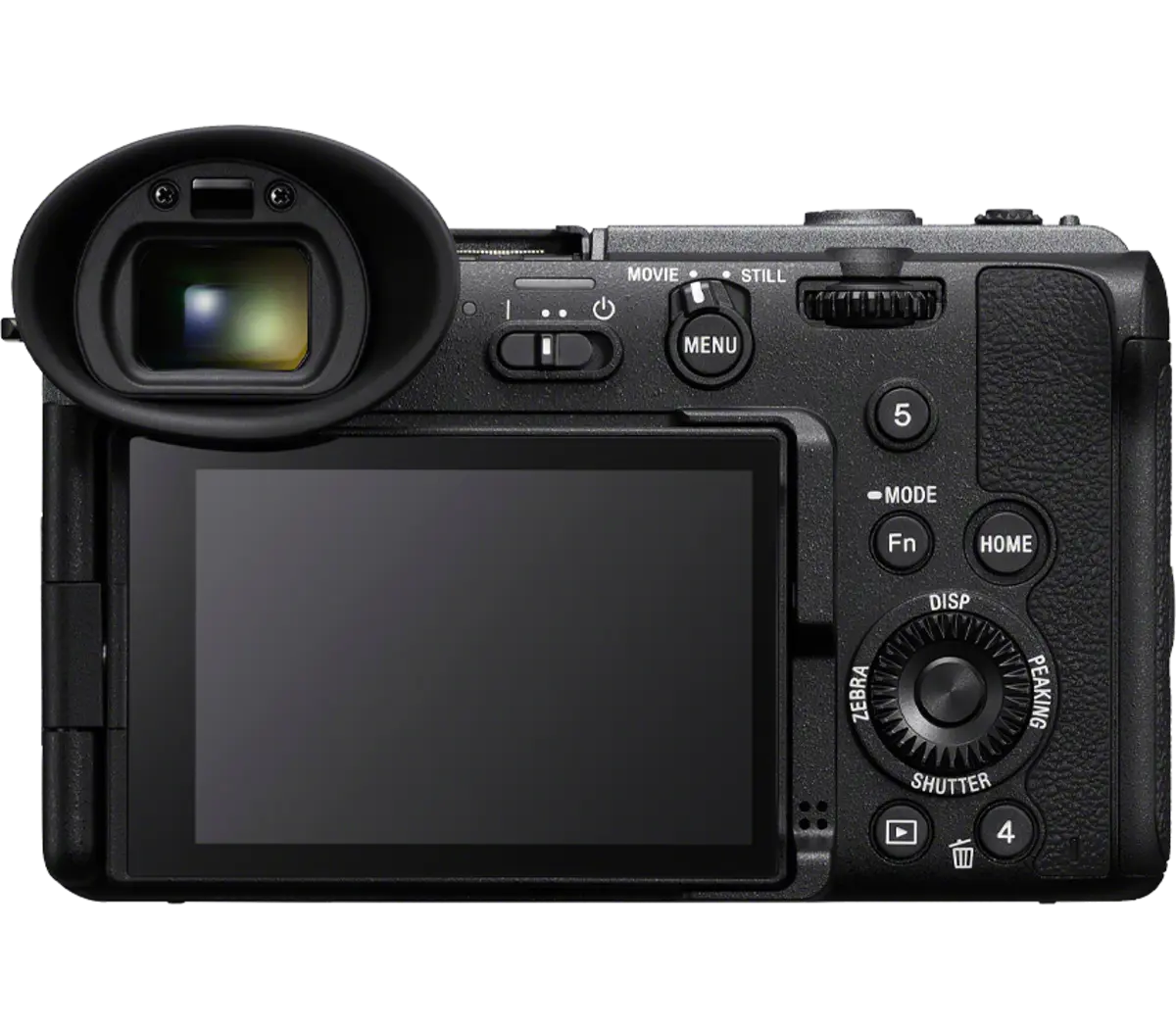
| Angle-adjustable EVF | Makes handheld and bright-location work easier than rear-screen-only shooting. | A real ergonomic differentiator for this body. |
| No built-in variable ND | You still need external ND filters or a matte box for bright shooting. | This is where the Sony FX6 laughs quietly from the production cart. |
The Good
Full-Frame Image Quality Without A Giant Rig
The Sony FX2 gives creators a full-frame look in a compact Cinema Line body. That matters for interviews, small commercial work, event recaps, real estate video, travel projects, and social content where you need the image to look expensive but the setup cannot become a rolling science project. You can build it out, but you do not have to start with a cage, top monitor, battery brick, handle, plate, rail system, and a prayer.
Hybrid Stills Are Actually Part Of The Pitch
This is where the Sony FX2 separates itself from pure video bodies. A 33MP sensor makes sense if your paid work includes thumbnails, behind-the-scenes photos, social stills, press grabs, event photos, or client deliverables where one body needs to cover more than motion. If you only shoot video, that is less exciting. If you do mixed media, it is genuinely useful.
Autofocus And Solo Shooting Confidence
Sony’s modern autofocus is a huge reason cameras like the Sony FX2, Sony FX3, Sony FX30, and Sony a7 IV show up everywhere. Solo shooters do not have the luxury of missing focus while a client is mid-sentence. Good autofocus is not a cheat code, but it is one of the few camera features that can directly save a shoot.
Cooling Makes It Less Precious
The internal fan is not the sexiest bullet point, but it is the one you appreciate when an interview runs long, a client wants one more take, or the room is warmer than expected because apparently every conference venue was designed by someone who hates cameras. A cooled body is simply easier to trust for longer video work.
The Bad
No Built-In ND Is The Big Practical Miss
This is the complaint I care about most. If you shoot outside, run-and-gun, documentary work, live events, outdoor interviews, or corporate content in changing light, internal ND is not a luxury. It is a workflow feature. The Sony FX2 does not give you that, so you are back to variable ND filters, magnetic filters, matte boxes, or stopping down when you really did not want to. The Sony FX6 remains the better production camera for that reason alone.
It Is Not The Low-Light Specialist Some People Want
The Sony FX3 still has a very clear identity for low-light-heavy full-frame video work. The Sony FX2 is not bad in low light, but if your world is receptions, concerts, night exteriors, dim venues, and available-light chaos, you should compare the bodies with your actual shooting conditions in mind. Do not buy a camera based on vibes from a perfectly lit product video.
Price Competition Is Real
The Sony FX2 lives in a dangerous price neighborhood. Spend less and the Sony FX30 gets you a lot of Sony Cinema Line workflow for much less money if you are okay with Super 35. Spend differently and the Sony FX3 becomes a proven full-frame video workhorse. Spend more and the Sony FX6 gives you the real production-camera conveniences. The Sony FX2 is good, but it has to earn the middle seat.
The Ugly
The ugly part is not that the Sony FX2 is bad. It is that Sony has made the decision tree crowded enough that normal humans now need a spreadsheet to buy a camera. The Sony FX2 is for people who can clearly say, “I need full-frame Cinema Line video, strong stills, an EVF, cooling, compact size, and I can live without built-in ND.” If that sentence does not sound like you, the smarter camera may be somewhere else in the lineup.
Do not buy it just because it is newer. Newer is not a use case. If the Sony FX30, Sony FX3, Sony FX6, or Sony a7 IV matches your work better, buy the camera that solves the job. Camera forums will survive.
FX2 vs FX3 vs FX30 vs FX6 vs a7 IV
| Camera | Best buyer | Why pick it instead |
|---|---|---|
| Sony FX2 | Hybrid cinema creators | Full-frame video, stronger stills, EVF, cooling, compact workflow. |
| Sony FX3 | Full-frame video-first shooters | Proven low-light full-frame Cinema Line workhorse for video crews. |
| Sony FX30 | Budget-conscious video creators | Much cheaper Cinema Line entry if Super 35 works for your lenses and shooting style. |
| Sony FX6 | Production teams | Built-in variable ND, better production ergonomics, and a clearer cinema-camera workflow. |
| Sony a7 IV | Photo/video hybrids | Excellent stills and capable video when Cinema Line workflow is not mandatory. |
Who Should Buy The Sony FX2?
Buy the Sony FX2 if you are a solo filmmaker, creator, agency shooter, branded-content producer, YouTuber, real estate/media team, travel creator, or small production crew that needs one compact full-frame camera to handle both polished video and useful stills. It is especially interesting if you already work in Sony color, already own E-mount glass, and want something more video-focused than a standard hybrid body without jumping all the way into an Sony FX6 setup.
Skip the Sony FX2 if your work is mostly controlled studio video where the Sony FX3 makes more sense, budget-sensitive creator work where the Sony FX30 is enough, production work where the Sony FX6 solves ND/audio/ergonomics better, or mostly photography where the Sony a7 IV is the saner pick. The wrong Sony body can still be a good camera. It can also be the wrong tool wearing a very convincing badge.
Buying Checklist Before You Click
- Check seller and condition. Amazon listings can include new, renewed, third-party, or bundle inventory. Make sure you know what you are buying.
- Decide if you need the XLR handle. Audio workflow matters. Do not wait until a paid interview to discover your kit is missing the boring but essential piece.
- Budget for ND. If you shoot outside, plan for good ND filters or a matte-box setup.
- Budget for media and batteries. Camera body prices never include the part where accessories quietly eat your lunch money.
- Compare against the Sony FX3, Sony FX30, Sony FX6, and Sony a7 IV before buying. The right answer depends on the work, not the launch hype.
How I Would Build A Practical Sony FX2 Kit
The Sony FX2 body is only half the decision. The real question is whether you can build a kit that matches the work without turning a compact camera into a lopsided accessory festival. A sensible kit starts with the job. For interviews and branded content, I would prioritize stable support, audio, ND, and lighting before chasing another lens. For social and travel work, I would keep the kit lean enough that it still leaves the house. For client production, I would build around repeatability: same media, same batteries, same monitoring, same color workflow, same backup plan.
For a lean creator kit, I would pair the Sony FX2 with one reliable standard zoom, one fast prime, a compact shotgun or wireless lav system, a small variable ND solution, two or three batteries, and fast cards that actually meet the recording mode you plan to use. That is enough for YouTube, interviews, b-roll, creator ads, real estate walkthroughs, event recaps, and a lot of small-business video. Do not buy the body and then discover the entire budget disappeared before you got audio. Nobody cares that your b-roll has 15+ stops of latitude if the speaker sounds like they are trapped in a hallway.
For a paid production kit, I would get more serious about power, monitoring, audio, and light control. A cage may make sense if you need a monitor, handle, wireless receiver, timecode box, or HDMI support. External ND matters if you are outdoors. A proper tripod or monopod matters if you are shooting long interviews. A small light kit matters if you are walking into offices, gyms, conference rooms, and client spaces where overhead lighting has clearly committed a crime. The Sony FX2 can look very good, but it still needs the same boring production discipline as any other camera.
| Kit type | What I would prioritize first | What I would not overbuy |
|---|---|---|
| Solo creator / YouTube | Standard zoom, compact mic, small light, ND, extra batteries, reliable cards | A giant cage build that makes the camera annoying to use daily |
| Agency / branded content | Audio, tripod, interview light, monitor, ND, backup media workflow | Too many novelty lenses before the core kit is dependable |
| Event recap / social team | Lightweight support, fast AF setup, extra batteries, compact audio, quick turnaround settings | Heavy rigging that slows you down in crowded spaces |
| Small production crew | Monitor, audio handle/workflow, timecode if needed, matching Sony color, data backup | Pretending the Sony FX2 replaces the Sony FX6 when built-in ND and production ergonomics are the job |
That is the buying frame I would use: body plus workflow, not body plus fantasy. The Sony FX2 becomes a much better purchase when the accessory plan is realistic. It becomes a much worse purchase when you buy it because it is the newest Sony and then start bolting on gear until it costs like a higher-tier camera anyway.
Related Nitro Guides
- Best cameras for real estate photography if your camera needs to serve listing media and client shoots.
- Canon cameras 2026 ultimate buying guide if you are comparing systems, not just Sony bodies.
- Wireless microphone guide because bad audio can make an expensive camera look guilty by association.
- Nitro video production services if you want the gear decision connected to real production deliverables.
FAQ
Is the Sony FX2 better than the Sony FX3?
The Sony FX2 is better if you want higher-resolution stills, an EVF, and a hybrid cinema body. The Sony FX3 is still the clearer video-first choice for many full-frame shooters, especially if low-light video identity matters more than stills.
Is the Sony FX2 worth it over the Sony FX30?
The Sony FX2 is worth it if you specifically need full-frame and the hybrid stills/video balance. The Sony FX30 is the better value if Super 35 works for your lenses and you mainly want Cinema Line video features without spending full-frame money.
Does the Sony FX2 have built-in ND filters?
No. That is one of the biggest practical reasons to compare it against the Sony FX6. If you shoot in changing light, plan on external ND.
Who is the Sony FX2 really for?
The Sony FX2 is for creators and small crews who need a compact full-frame Cinema Line camera that can also produce strong stills. It is not the obvious pick for every filmmaker, and that is fine.
Bottom Line
The Sony FX2 is a good camera with a very specific sweet spot. It is strongest when one body needs to cover polished video, usable stills, Sony color workflow, compact rigs, and solo operation. It is weakest when you need built-in ND, the cleanest dedicated video body, or the cheapest path into Cinema Line. I like it for the right buyer. I would not blindly recommend it just because it has the newest box on the shelf.


