 Skip to content
As an Amazon Associate, Nitro Media Group may earn from qualifying purchases. We may also earn from other affiliate links at no extra cost to you.
Portable power stations are one of the easiest ways to keep phones, laptops, cameras, routers, lights, CPAP machines, and small appliances running when wall power is not available. The best model depends on how you use it: home backup needs higher capacity, camping favors portability, and RV setups need a good balance of outlets, battery size, and solar charging.
If you shoot video, work remotely, camp often, or want a cleaner backup option than a gas generator, a portable power station can make outages and off-grid days much easier. A power bank is fine for phones; a portable power station is what you want when you need AC outlets, USB-C, and enough watt-hours for real gear.
Best Portable Power Station Deals and Current Prices
Portable power station prices change often, especially on high-capacity batteries. Before choosing a model, check current availability and compare the exact watt-hours, AC output, battery chemistry, and expansion options for the unit you are buying.
Quick price check by use case
| Use case | Top pick | Link |
|---|---|---|
| Best overall | Anker SOLIX C1000 | Check price on Amazon |
| High-capacity home backup | BLUETTI AC200L | Check price on Amazon |
| Whole-home backup | EcoFlow DELTA Pro 3 | Check price on Amazon |
| Expandable backup system | EcoFlow DELTA Pro Ultra | Check price on Amazon |
| Camping and RVs | Jackery Explorer 2000 v2 | Check price on Amazon |
| Large-capacity alternative | Anker SOLIX F3000 | Check price on Amazon |
| Compact camping | EcoFlow RIVER 2 Max | Check price on Amazon |
| Small backup kit | Jackery Explorer 300 | Check price on Amazon |
Availability and pricing can change. Confirm the exact model, capacity, and seller before checkout.
For creators using portable power with camera, lighting, or livestream setups, see Nitro Media Group’s guides to video production tools, live streaming gear, and the DJI Power 1000 for production workflows.
Key Takeaways
Portable power stations help give backup power at home. They are also useful when camping or traveling in an RV.
Pick models that have high output and charge fast. This helps your devices stay powered up.
LiFePO4 batteries last a long time and work well. They are good if you use your power station a lot.
Think about how much power you need before you buy. Check watt-hours and what devices you want to charge.
Small and light models are great for camping and travel. Big power stations are better for home backup.
Always look at the price and compare features. This helps you get the best deal.
Solar compatibility is a helpful feature. It lets you use solar panels to charge your power station when you are off-grid.
Safety features like over-current protection are very important. They keep your devices safe and make sure everything works right.
Quick Look: Best Portable Power Stations by Use Case
Best Portable Power Stations for Most People
You want a portable power station that works for almost any situation. The best for most people in 2026 gives you high output, fast charging, and easy use. You can power laptops, cameras, routers, and even lights. Here are the top picks:
Anker Solix C1000 Gen 2: Delivers up to 2000W output. Charges in under an hour. Great for creators and remote workers.
Jackery Explorer 1000 v2: Weighs just 23.8 lbs. Easy to carry. Premium build quality.
EcoFlow Delta 2: Lets you expand up to 3kWh. Has lots of ports for device charging. Usually costs less than similar models.
These models use LiFePO4 batteries, which last longer and perform better. You get up to 1,000 watt hours of energy. Some stations recharge in less than an hour, while others take longer. If you need a station for travel kits, home offices, or powering phones and drones, these are solid choices.
Tip: Check current pricing and battery specs before buying. Capacity, output, and charging speed matter more than the sticker number alone.
Best Home Backup Power
When you need home backup power, reliability matters most. You want a station that keeps your fridge running and your Wi-Fi online during a power outage. Here are the best power stations for home backup:
Bluetti AC200L: Offers 2048Wh capacity. Switches to backup in less than 10ms. Can expand to over 16kWh.
EcoFlow Delta Pro: Starts at 3600Wh. Expands up to 25kWh. Handles both 120V and 240V appliances.
Jackery 2000 v2: Lightest and quietest 2kWh option. Runs a refrigerator for up to 18 hours.
The Bluetti AC200L is better framed as a high-capacity home backup pick: it has enough battery for core essentials, supports expansion, and is easier to live with indoors than a gas generator.
Best for Camping & RVs
If you love camping or travel in an RV, you need a station that is portable and strong. The best power stations for camping give you enough energy for lights, cooking, and device charging. Here are the top picks:
Anker C1000: Affordable and easy to use. Works well for camping and blackouts.
Jackery 2000 v2: Best for long trips. Lightweight at 39 lbs. Handles extended off-grid stays.
These stations help you power your gear without the noise of a generator. You can charge your phone, run a fan, or keep your camera ready. Remember, a power bank is not the same as a portable power station.
If you want the lightest option, pick a model under 10 lbs. For more power, go up in size, but check if you can carry it easily.
Portable Power Station Reviews
Best Overall Portable Power Station
Anker Solix C1000

If you want a portable power station for many jobs, the Anker Solix C1000 is a great choice. It has high storage and charges fast. You get up to 2000W output. This means you can use power tools, kitchen appliances, or a small heater. The LiFePO4 battery lasts a long time and works well for years.
Pros:
Charges in less than an hour
Strong inverter for big devices
Light for its size (26 lbs)
Many AC and USB-C ports
Cons:
You cannot expand it
No wireless charging
Best for: Creators, remote workers, and people who need backup for travel kits or home offices.
Skip if: You want more capacity or need to power your whole home.
Practical runtime: You can use a laptop for over 40 hours, run a mini fridge for 15 hours, or charge phones and cameras many times.
Use-case notes: Good for charging devices, camping, and quick backup during power outages.
Bluetti AC200L
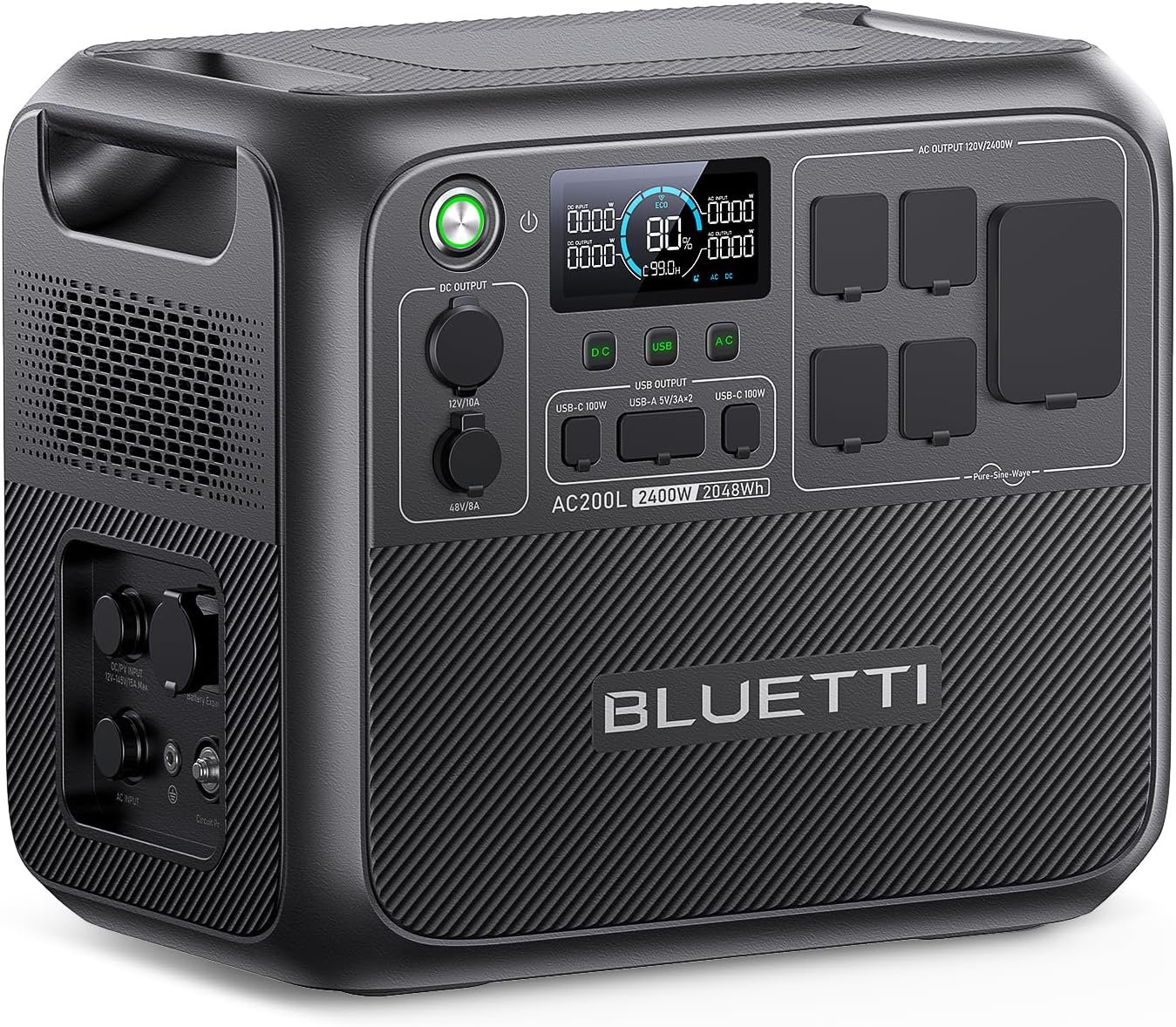
If you need backup power for more than just small things, the Bluetti AC200L is a smart pick. It gives you 2048Wh and a strong inverter. You can add more batteries up to 16kWh. This makes it one of the best big power stations for home backup.
Pros:
You can add more batteries
Charges fast
LiFePO4 battery lasts long
Many AC, USB-C, and DC ports
Cons:
Heavy (61.7 lbs)
Not as easy to carry as smaller ones
Best for: Home backup, RV owners, and people who need lots of power.
Skip if: You want something light for hiking or camping off-grid.
Practical runtime: It runs a fridge for 24 hours, keeps Wi-Fi and lights on for days, and powers medical devices.
Use-case notes: Works well for storms, best for home backup, and good for RVs.
EcoFlow Delta Max
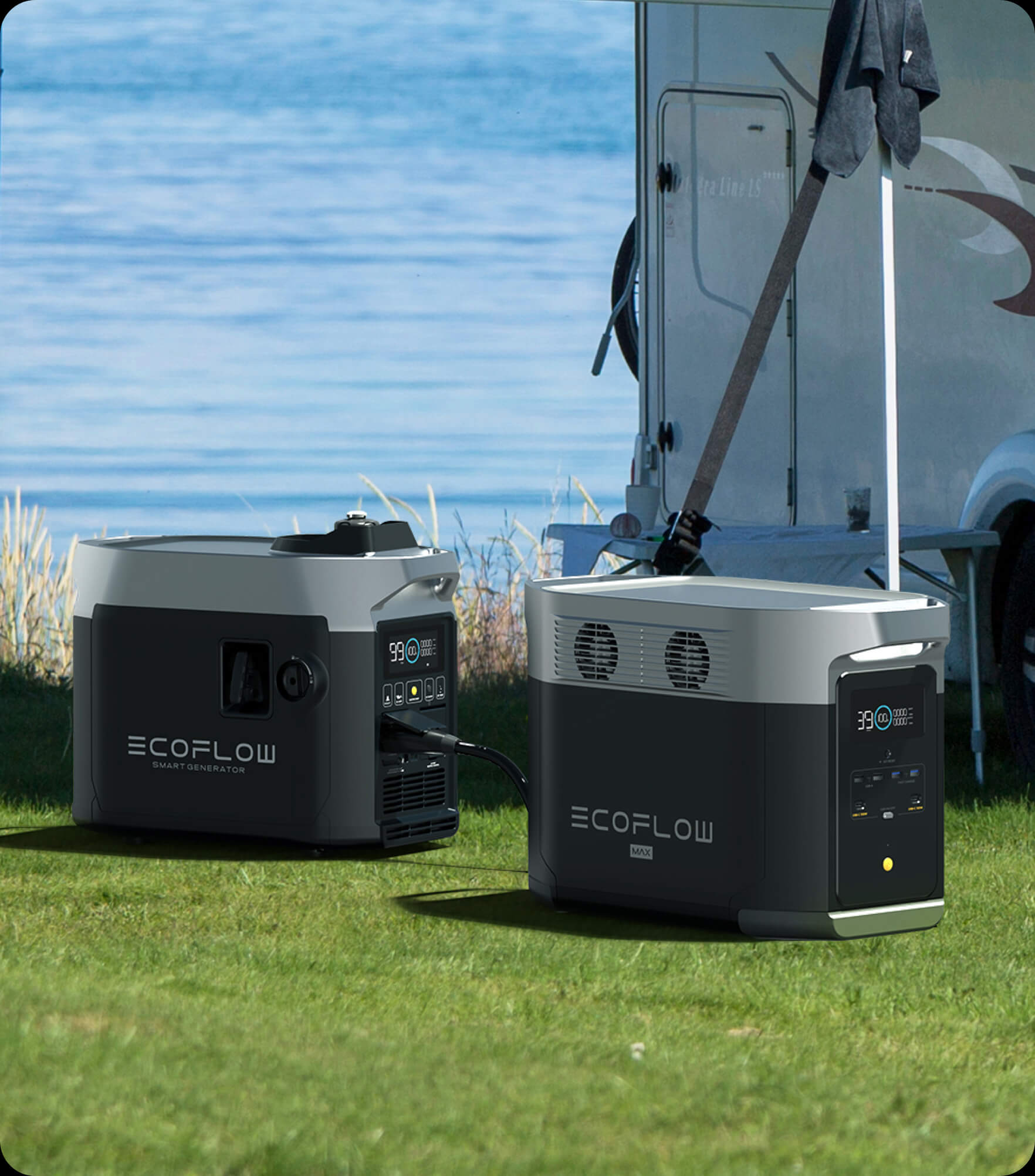
If you want a power station that is flexible and strong, the EcoFlow Delta Max is a good choice. It has 2016Wh and you can add more batteries up to 6kWh. It charges fast and has many ports for your devices.
Pros:
You can add more batteries
Charges quickly
Many AC and USB-C ports
Good mix of weight and power
Cons:
A bit heavier than basic models
No wireless charging built in
Best for: Families, small businesses, and people who need backup for many devices.
Skip if: You want a very light power station for hiking.
Practical runtime: It runs a CPAP machine for 30 hours, keeps laptops and routers on for days, and is great for camping.
Use-case notes: Best for flexible backup and camping off-grid.
Here are the main things we looked at when reviewing portable power stations for 2026:
Criteria | Description | Impact on Ratings |
|---|---|---|
Battery Capacity | Measured in Watt Hours (Wh), shows total power available. | More capacity means longer use and powering big devices. |
Power Rating | Maximum output in Watts, decides what you can run. | Higher rating lets you use bigger devices. |
Charge Time | Time to recharge the station. | Faster charging is more convenient. |
Portability | Size and weight. | Lighter stations are easier to carry. |
Outlet Ports | Number and type of outlets. | More ports let you charge more devices. |
Home Backup Power Solutions
EcoFlow DELTA Pro 3
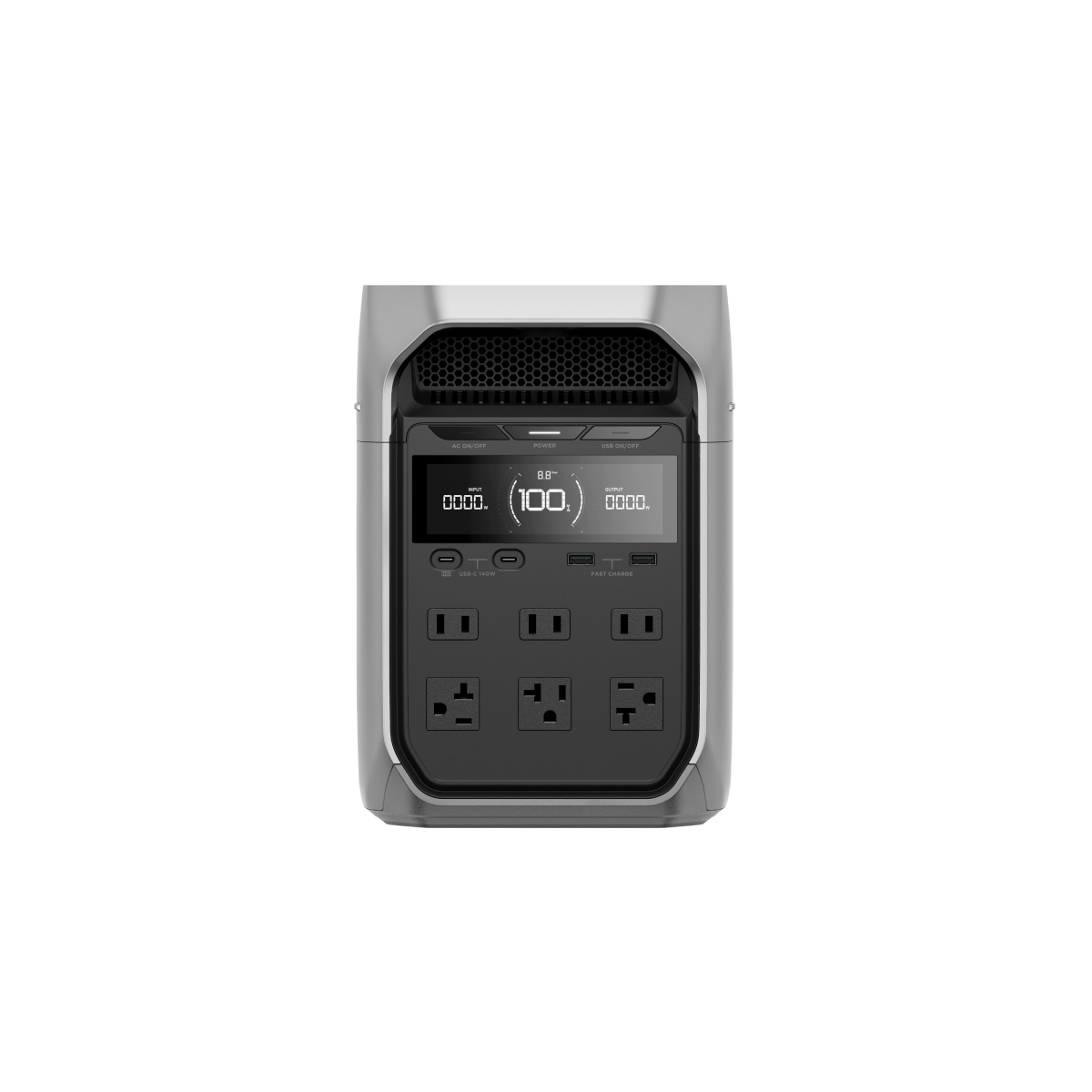
If you want backup for your whole home without loud noise, the EcoFlow DELTA Pro 3 is a top pick. It gives you up to 4000Wh and can grow to 12kWh. It has a strong inverter and charges fast.
Pros:
Huge capacity for home backup
You can add more batteries
Charges quickly
Smart app control
Cons:
Very heavy (over 100 lbs)
Not good for moving a lot
Best for: Homeowners who need backup for big appliances and long outages.
Skip if: You want portable power for camping or travel.
Practical runtime: It runs a fridge for 36 hours, keeps Wi-Fi and lights on for days, and powers medical gear.
Use-case notes: Best for home backup and storm emergencies.
EcoFlow DELTA Pro Ultra
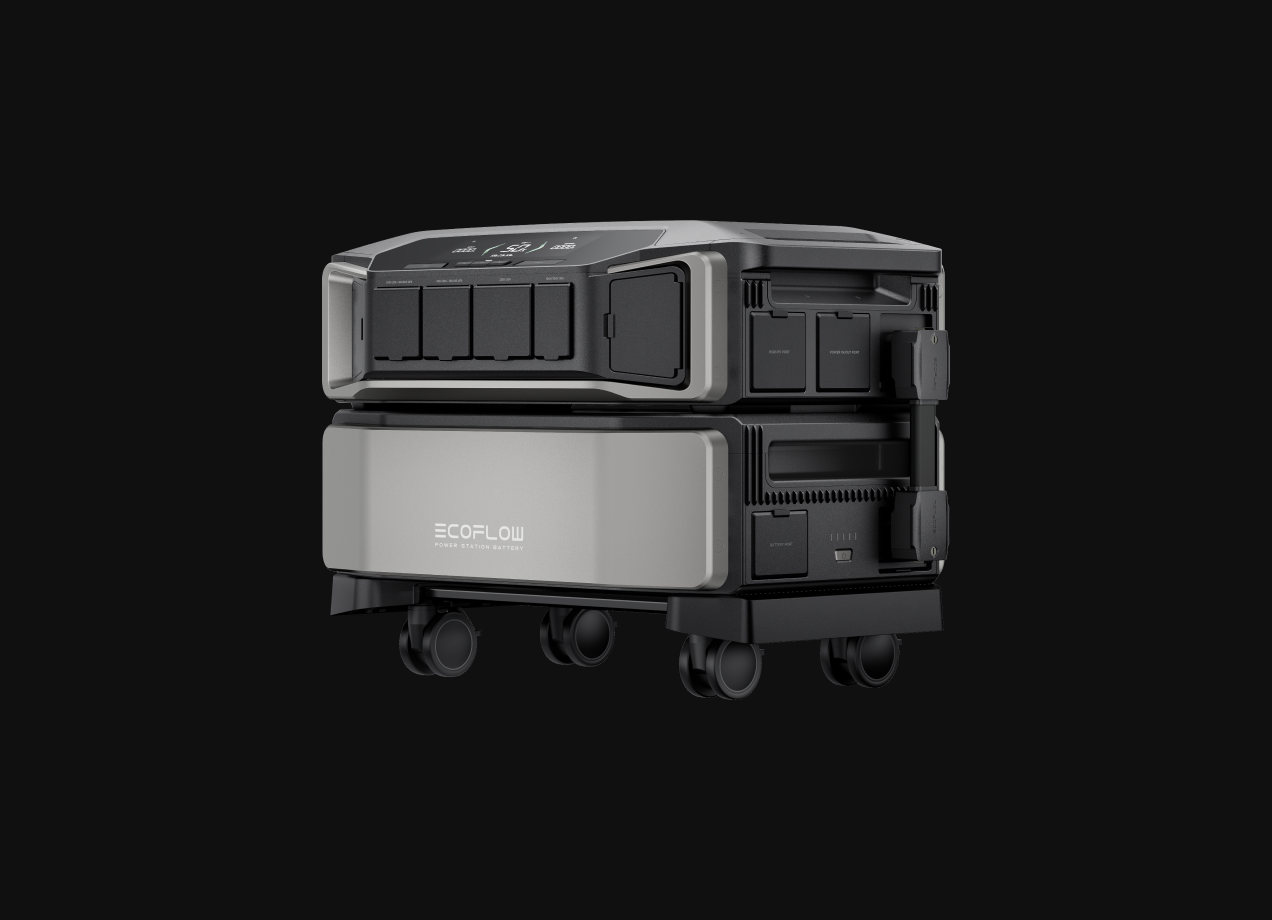
If you want the best for home backup and lots of storage, the EcoFlow DELTA Pro Ultra is a great choice. It gives you up to 7200Wh and can grow to 21.6kWh. It has a strong inverter and smart features.
Pros:
Very big capacity for home backup
You can add more batteries
Smart app and UPS features
Charges fast
Cons:
Very heavy
Not for carrying around
Best for: Large homes, businesses, and people who need the best backup.
Skip if: You want something for camping or short trips.
Practical runtime: It runs many appliances for days, powers HVAC, and keeps everything on during long outages.
Use-case notes: Good for whole-home backup and important power needs.
Jackery Explorer 5000 Plus
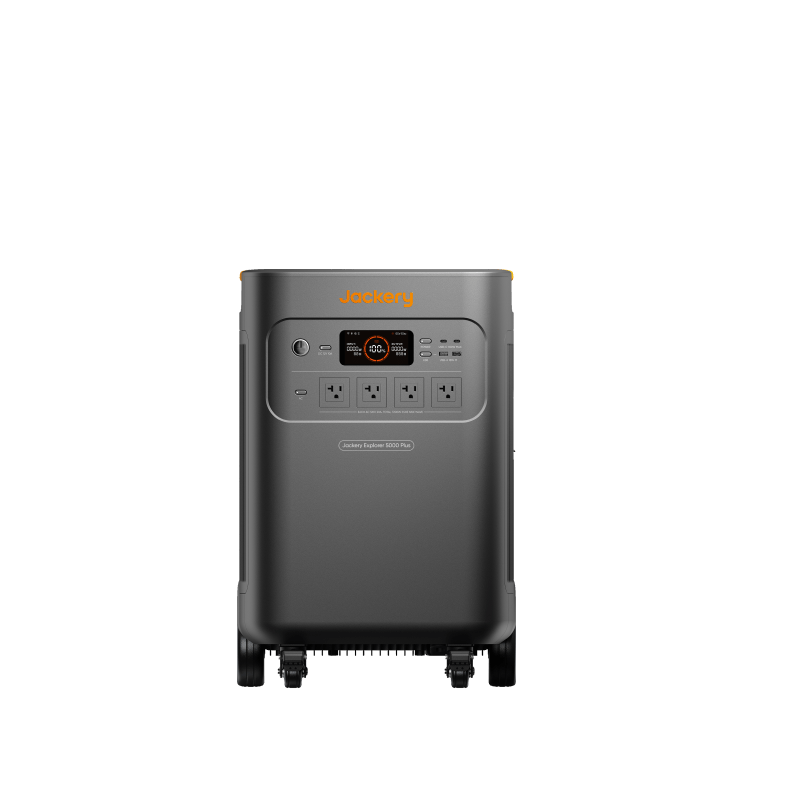
If you want a portable power station with lots of storage and easy upgrades, the Jackery Explorer 5000 Plus is a smart pick. It gives you 5120Wh and can grow to 20kWh. It charges fast and is tough.
Pros:
You can add more batteries
Charges quickly
Tough and weather-resistant
Many AC and USB-C ports
Cons:
Heavy
Not for hiking or light camping
Best for: Home backup, RVs, and people who need lots of power.
Skip if: You want something light and easy to move.
Practical runtime: It runs a freezer for 48 hours, keeps lights and routers on for days, and is good for off-grid living.
Use-case notes: Best for home backup and RV power.
Bluetti Apex 300

If you want a backup power station that is small but strong, the Bluetti Apex 300 is a good choice. It gives you 3072Wh and a strong inverter. It charges fast and you can add more batteries.
Pros:
You can add more batteries
Charges quickly
Small for its power
Many ports
Cons:
Not as light as basic models
Limited wireless charging
Best for: Small homes, apartments, and people who need backup.
Skip if: You want a very light power station.
Practical runtime: It runs a fridge for 20 hours, keeps devices charged for days, and powers small appliances.
Use-case notes: Best for home backup and apartment living.
Bluetti Elite 400

If you need a portable power station with lots of storage and smart features, the Bluetti Elite 400 is a great pick. It gives you 4096Wh and you can add more batteries. It charges fast and has app control.
Pros:
You can add more batteries
Smart app features
Charges quickly
Many ports
Cons:
Heavy
Not for moving a lot
Best for: Home backup, RVs, and people who need lots of power.
Skip if: You want something light for camping.
Practical runtime: It runs a fridge for 30 hours, powers lights and routers for days, and is good for off-grid living.
Use-case notes: Good for home backup and RV power.
Pecron E3600LFP Bundle

If you want a backup power station that is flexible and not too expensive, the Pecron E3600LFP Bundle is a smart choice. It gives you 3600Wh and you can add more batteries. It charges fast and is tough.
Pros:
You can add more batteries
Charges quickly
Tough build
Many ports
Cons:
Not as light as basic models
Not many app features
Best for: Home backup, RVs, and people who need backup.
Skip if: You want a very light power station.
Practical runtime: It runs a fridge for 24 hours, keeps devices charged for days, and powers small appliances.
Use-case notes: Best for home backup and RV power.
Camping & RV Portable Power Stations
Jackery Explorer 2000 v2
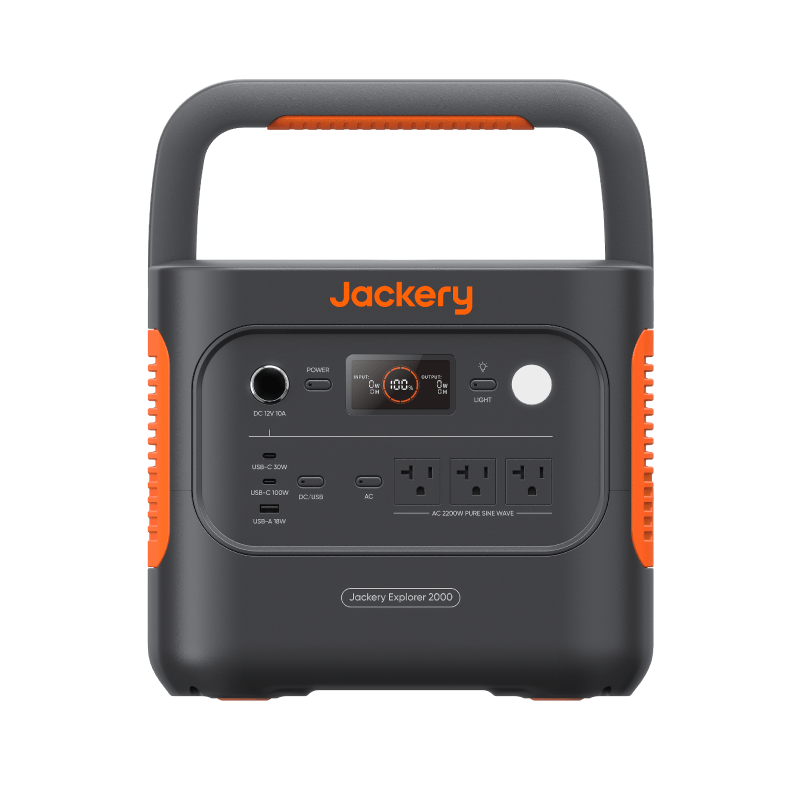
If you want portable power for camping and RV trips, the Jackery Explorer 2000 v2 is a good pick. It gives you 2048Wh and a strong inverter. It charges fast and is light for its size.
Pros:
Light for its power
Charges quickly
Many AC and USB-C ports
Tough design
Cons:
You cannot add more batteries
Limited wireless charging
Best for: Camping, RVs, and people who need portable power.
Skip if: You want more capacity for long trips.
Practical runtime: It runs a mini fridge for 18 hours, powers lights and fans for days, and charges devices.
Use-case notes: Best for camping off-grid and RV travel.
Anker SOLIX F3000

If you need a portable power station with lots of storage for camping, the Anker SOLIX F3000 is a smart pick. It gives you 3072Wh and a strong inverter. It charges fast and is tough.
Pros:
Big capacity for camping
Charges quickly
Tough design
Many ports
Cons:
Heavy
Not for hiking
Best for: Camping, RVs, and people who need lots of power.
Skip if: You want something light for hiking.
Practical runtime: It runs a fridge for 24 hours, powers lights and fans for days, and charges devices.
Use-case notes: Best for camping off-grid and RV power.
Pecron F3000LFP

If you want a portable power station that is not expensive and works well, the Pecron F3000LFP is a good choice. It gives you 3072Wh and a strong inverter. It charges fast and is tough.
Pros:
Good price for its power
Charges quickly
Tough design
Many ports
Cons:
Heavy
Not for hiking
Best for: Camping, RVs, and people who need portable power.
Skip if: You want something light for hiking.
Practical runtime: It runs a fridge for 22 hours, powers lights and fans for days, and charges devices.
Use-case notes: Best for camping and RV power.
EcoFlow RIVER 2 Max
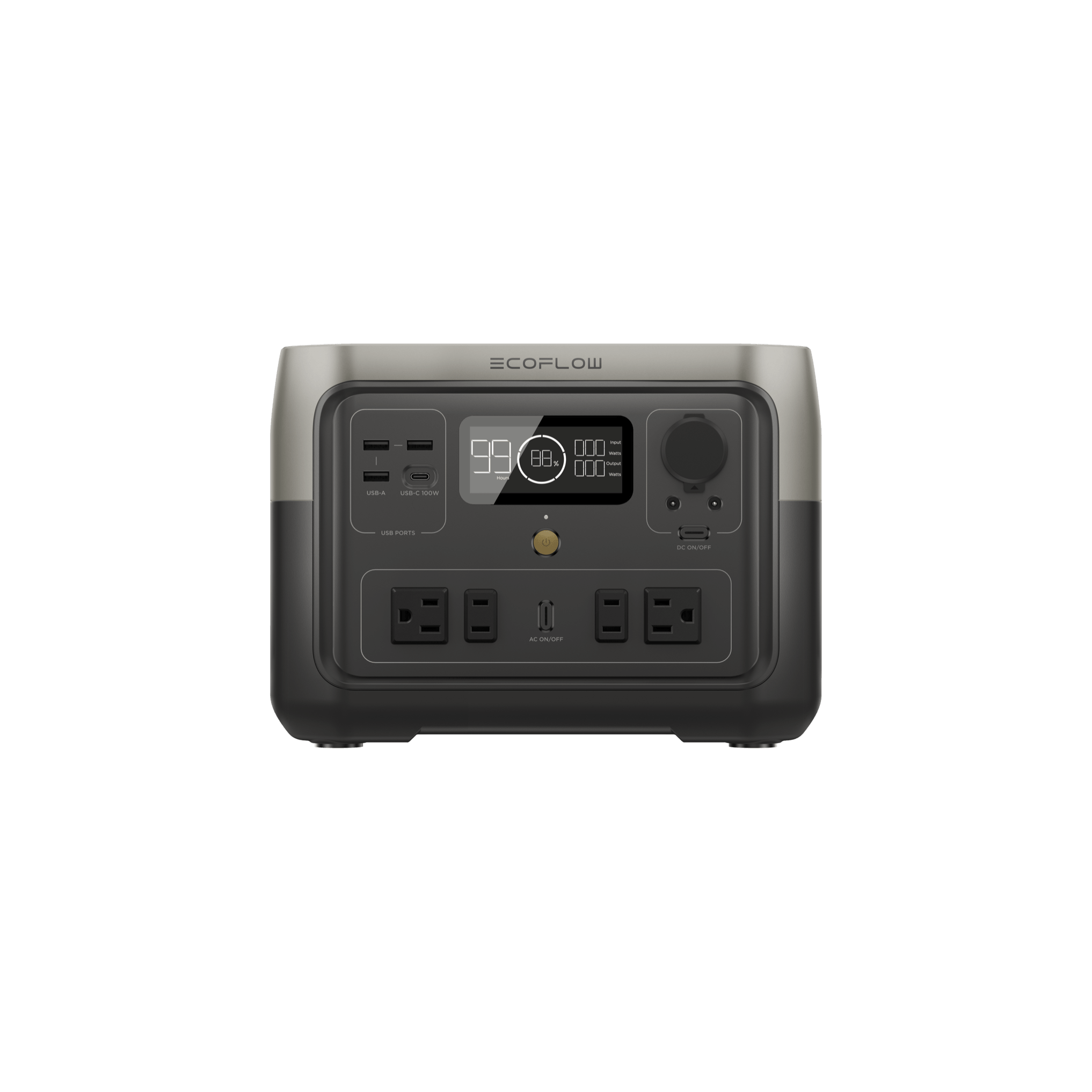
If you want a small portable power station for camping, the EcoFlow RIVER 2 Max is a great pick. It gives you 512Wh and charges fast. It has many ports and is light.
Pros:
Light and easy to carry
Charges quickly
Many ports
Good price
Cons:
You cannot add more batteries
Not enough power for big appliances
Best for: Camping, hiking, and people who need power for small devices.
Skip if: You want to run big appliances.
Practical runtime: It runs a laptop for 10 hours, powers lights for days, and charges phones and cameras.
Use-case notes: Best for camping and hiking.
Bluetti EB70
If you want a portable power station that is small and works well, the Bluetti EB70 is a good choice. It gives you 716Wh and a strong inverter. It charges fast and has many ports.
Pros:
Small and light
Charges quickly
Many ports
Good price
Cons:
You cannot add more batteries
Not enough power for big appliances
Best for: Camping, hiking, and people who need power for small devices.
Skip if: You want to run big appliances.
Practical runtime: It runs a laptop for 14 hours, powers lights for days, and charges phones and cameras.
Use-case notes: Best for camping and hiking.
Jackery Explorer 1000
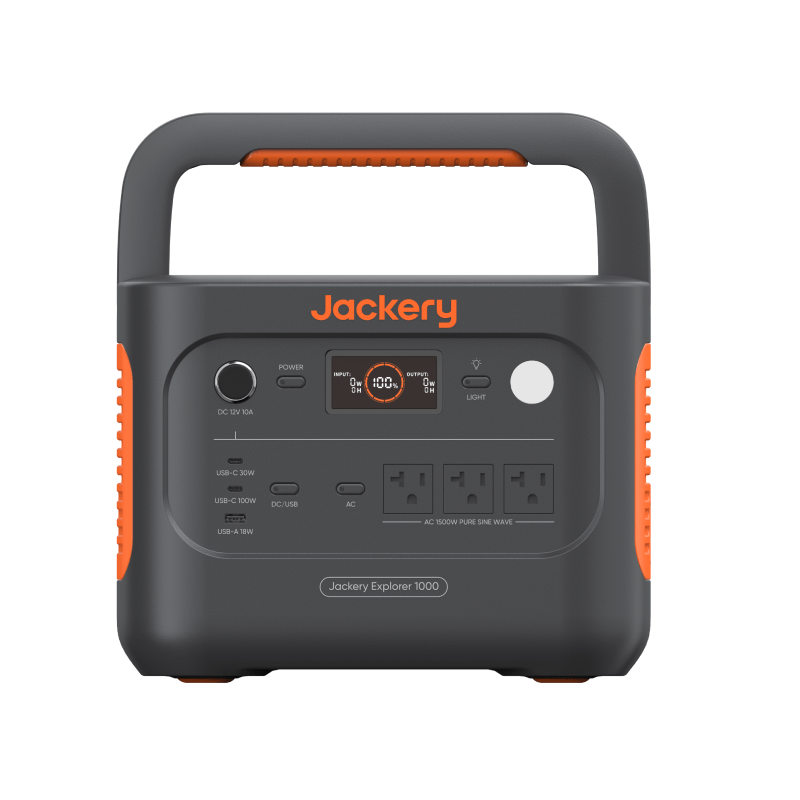
If you want a portable power station that is easy to carry, the Jackery Explorer 1000 is a smart pick. It gives you 1002Wh and a strong inverter. It charges fast and has many ports.
Pros:
Light and easy to carry
Charges quickly
Many ports
Reliable
Cons:
You cannot add more batteries
Not enough power for big appliances
Best for: Camping, hiking, and people who need power for small devices.
Skip if: You want to run big appliances.
Practical runtime: It runs a laptop for 20 hours, powers lights for days, and charges phones and cameras.
Use-case notes: Best for camping and hiking.
Festool SYS-PST 1500
If you want a portable power station that is tough and works well, the Festool SYS-PST 1500 is a good choice. It gives you 1512Wh and a strong inverter. It charges fast and is tough for its size.
Pros:
Tough and reliable
Charges quickly
Many ports
Small for its power
Cons:
You cannot add more batteries
Limited wireless charging
Best for: Camping, RVs, and people who need portable power.
Skip if: You want more capacity for long trips.
Practical runtime: It runs a fridge for 12 hours, powers lights and fans for days, and charges devices.
Use-case notes: Best for camping and RV power.
Compact & Entry-Level Portable Power Stations
Looking for something light and easy to use? Compact and entry-level models give you backup power without the bulk. You can toss one in your car, keep it in your closet, or bring it along for a weekend trip. These stations work well for phones, cameras, laptops, and small appliances. Let’s check out the top picks for 2026.
Jackery Explorer 300
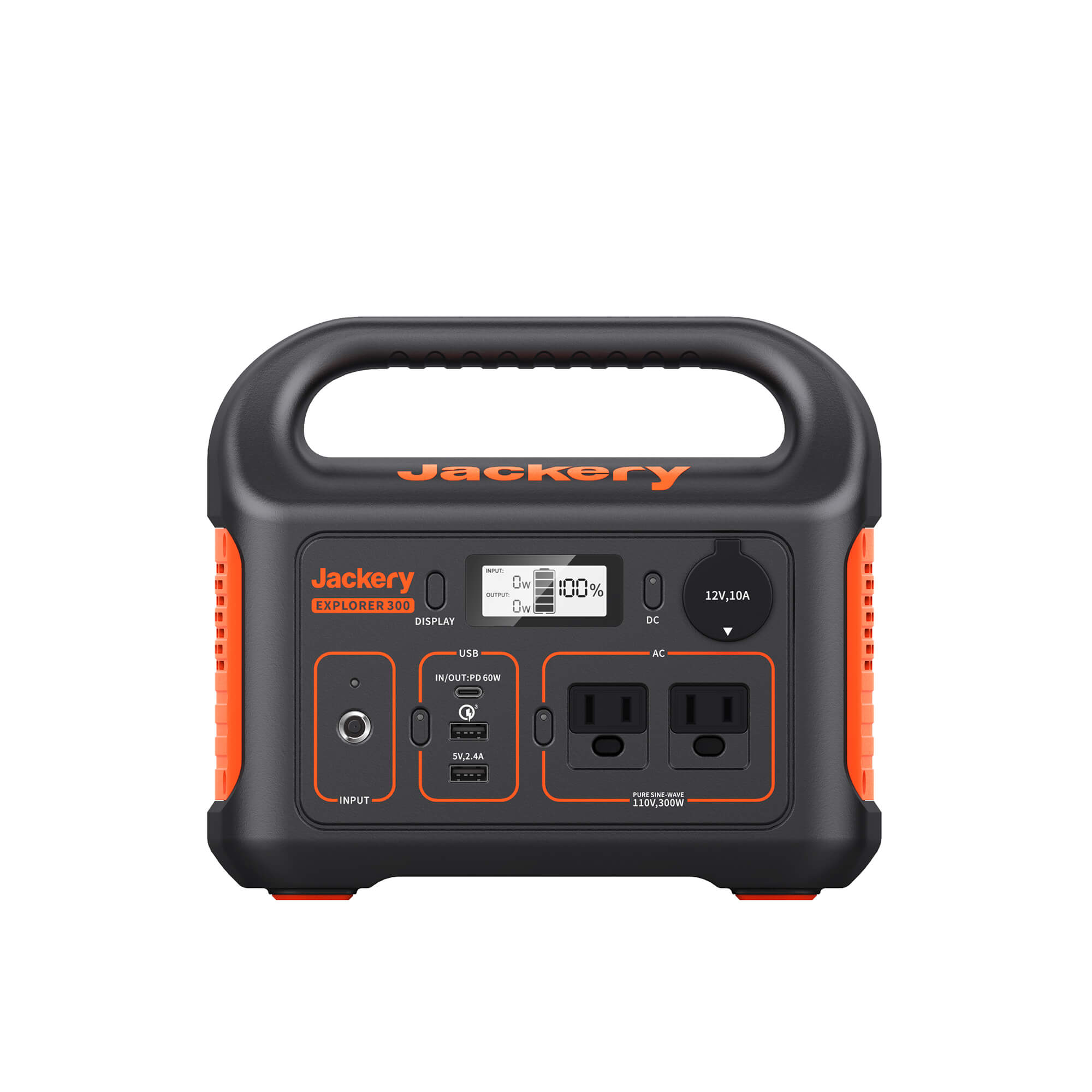
You want a small station that’s simple to carry. The Jackery Explorer 300 weighs just 7 pounds. You can grab it with one hand. It gives you 293Wh of battery capacity and a 300W AC output. That’s enough to charge a laptop five times or run a fan for several hours. You get two AC outlets, one USB-C port, and two USB-A ports. The LCD screen shows you how much power you have left.
Tip: The Explorer 300 charges from zero to 80% in about two hours with a wall outlet. You can also use a car charger or solar panel.
This model fits well in a travel kit or emergency bag. It’s a smart pick for students, campers, and anyone who wants backup for small devices.
Jackery Explorer 500

Need a bit more power but still want something easy to move? The Jackery Explorer 500 steps up with 518Wh of capacity and a 500W AC output. It weighs just over 13 pounds. You can use it for a CPAP machine, a mini cooler, or even a small TV. The Explorer 500 has three AC outlets, one USB-C port, and two USB-A ports. The handle makes it easy to carry from room to room or out to your car.
You can recharge it with a wall outlet, your car, or a solar panel. The LCD display helps you track battery life and output. This model works well for camping, road trips, and short power outages.
Poweroak Portable Power Station 500Wh
If you want a reliable option with a sturdy build, check out the Poweroak Portable Power Station 500Wh. It gives you 500Wh of battery capacity and a 300W AC output. You get two AC outlets, one USB-C port, and four USB-A ports. The case feels solid, so you don’t have to worry about bumps or drops.
Note: This station supports pass-through charging. You can charge the station and your devices at the same time.
The Poweroak model is a good choice for photographers, campers, and anyone who needs to keep devices running during a power outage. It’s not as heavy as high-capacity power stations, so you can move it around with ease.
EcoFlow River PRO
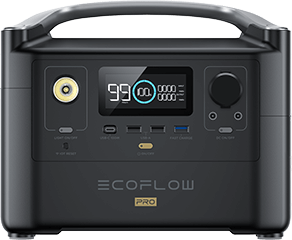
Want more flexibility? The EcoFlow River PRO gives you 720Wh of capacity and a 600W AC output. You can double the battery with an extra pack if you need more power. It has three AC outlets, one USB-C port, and three USB-A ports. The River PRO charges fast—up to 80% in about an hour with a wall outlet.
You can use it for camping, home backup, or even as a solar generator. The handle makes it easy to grab and go. The LCD screen shows you all the info you need, like input, output, and battery status.
Model | Capacity (Wh) | AC Output (W) | Weight (lbs) | Ports (AC/USB-C/USB-A) |
|---|---|---|---|---|
Jackery Explorer 300 | 293 | 300 | 7 | 2 / 1 / 2 |
Jackery Explorer 500 | 518 | 500 | 13.3 | 3 / 1 / 2 |
Poweroak Portable Power Station 500Wh | 500 | 300 | 13 | 2 / 1 / 4 |
EcoFlow River PRO | 720 | 600 | 16.8 | 3 / 1 / 3 |
If you want a portable power station for your next trip or emergency kit, these compact models give you peace of mind without weighing you down.
Notable Alternatives & Features
Expandable Portable Power Stations
Sometimes you need more power than a regular portable station gives. Expandable models let you add extra batteries when you want. The EcoFlow DELTA Pro 3 and EcoFlow DELTA Pro Ultra are stronger examples for modular home backup because they are built around higher-output setups and add-on batteries. That matters if you need to run essentials through a longer outage.
Expandable stations charge fast, sometimes in less than 90 minutes. They can handle high power loads, up to 4,600W. This means you can run big tools or appliances. Many people like these models because you don’t need to buy a new station when your needs change. You just add more batteries and keep using it.
Some brands use LiFePO4 batteries. These last longer and give you up to 3,000 charge cycles before dropping to 80% health. You won’t have to worry about replacing your battery every year. If you want off-grid power for your cabin or RV, expandable stations help you stay powered for days.
Tip: Standard models are good for short trips or small jobs. Expandable stations give you more room to grow.
Specialty Features
Portable power stations in 2026 have many features that make life easier. Here are some of the most popular:
Durability: Many stations have tough cases. They can handle bumps, drops, and outdoor weather.
Safety Certifications: Look for stations with safety marks. These give you peace of mind.
Built-in Lighting: Some models have LED lights. You can see at night or during a power outage.
Wireless Charging: Put your phone on top and it charges. You don’t need cables.
App Control: Use your phone to check battery levels. You can turn outlets on or off or set timers.
Uninterruptible Power Supply (UPS): This keeps your devices running if the power goes out.
Rugged Design: Great for camping, RV trips, or job sites.
You can also find stations that support solar charging. This lets you recharge your station with the sun. It’s perfect for camping or eco-friendly living. Some alternatives, like portable solar panels, are even easier to carry and make no pollution. Here’s a quick comparison:
Feature | Portable Solar Panels | Mainstream Power Stations |
|---|---|---|
Portability | Foldable, lightweight, easy to carry | Bulkier, less portable |
Environmental Impact | No CO₂, noise, or pollution | Some produce emissions |
Energy Independence | Off-grid electricity | Often needs grid connection |
Setup | Quick and easy anywhere | More complex setup |
Ideal Use Cases | Parks, campsites, eco areas | Home backup, outages |
Note: Only use your portable power station outside if the manual says it’s safe. Make sure you have good airflow for bigger units.
If you want clean, on-demand electricity that’s easy to move, look for these special features. They make your power station better for home backup, travel, and emergencies.
How to Choose a Portable Power Station

Power Needs & Output
You want a portable power station that matches your devices and your plans. Start by checking the wattage of everything you want to power. If you use a mini fridge, laptop, or camera, look at their labels for watt numbers. Battery capacity matters, too. For weekend trips, you usually need between 500Wh and 1000Wh. A 500Wh station can run a 50W mini fridge for about ten hours. If you want to power bigger appliances, pick a station with higher watt-hours and AC output.
Safety features help protect your gear. Look for stations with over-current and thermal protection. These features keep your devices safe and prevent overheating. You should clean connectors and check cables often. This keeps your station working well and helps you avoid problems.
Tip: Make a list of your devices and their wattage. Add up the numbers to see what size station you need.
Portability & Weight
You want a station that fits your lifestyle. If you plan to camp, travel, or use your station for emergencies, weight and size matter. Most portable power stations weigh between 10 and 30 pounds. The ideal weight for balancing power and portability is around 20 pounds. Compact designs make it easier to carry your station to campsites, RVs, or your backyard.
Weight Range (lbs) | Description |
|---|---|
10 – 30 | Average weight of portable power stations, influencing transportability. |
~20 | Ideal weight for balancing power and portability. |
Lightweight stations are easier to move. You can grab them quickly when the power goes out or when you head outdoors. Ergonomic handles help you carry your station without strain. If you need to walk far or pack light, choose a model with a compact design.
Lightweight and compact designs make transport easy.
Ergonomic handles add convenience.
Typical weight is between 20 and 30 pounds.
Charging Speed & Efficiency
Charging speed is important when you need power fast. Many new stations charge in less than an hour. Some models use solar panels to boost charging speed and make your station more efficient. You can set up solar panels outside and recharge your station with sunlight. This is great for camping or off-grid living.
Manufacturers now focus on reducing energy loss during charging. This means you get more usable power and waste less energy. Some brands offer recycling programs for old stations. You can help the environment and keep your setup up to date.
Note: Fast charging and efficient designs save you time and energy. Look for stations that support solar charging if you want more flexibility.
Solar Generator Compatibility
You want a portable power station that works with solar panels. This helps you recharge anywhere, even if the power is out or you are camping. Most stations in 2026 let you use solar generator setups. You connect a solar panel and start charging right away. Look for stations with MPPT controllers. These help you get more energy from the sun. If you want to use your station for RV trips or off-grid life, solar compatibility is very important.
Tip: Always check the highest input wattage for solar panels. Some stations take up to 400W, but others can handle more. This changes how fast your station recharges.
Many stations also have USB-C and AC output. You can charge your devices while your station charges from the sun. If you want the best power station for home backup or camping, solar generator compatibility gives you more freedom and less worry.
Battery Types
The battery inside your power station decides how long it lasts and how many times you can recharge it. In 2026, there are two main types: Lithium-Ion and Lithium Iron Phosphate (LiFePO4). LiFePO4 batteries last longer and can be charged more times. This means your station will work for years without losing much power.
Here’s a quick comparison:
Battery Type | |
|---|---|
Lithium-Ion | 500-800 |
Lithium Iron Phosphate | 2000-3500+ |
LiFePO4 batteries are popular in power station reviews. You get more watt-hours and better performance for backup, camping, and RV use. If you want a station that lasts a long time, pick one with LiFePO4. You can run appliances, charge devices, and trust your station for longer.
Usable vs. Claimed Capacity
Companies list the claimed capacity in watt-hours, but you usually get less. A station might say 1000Wh, but you may only get about 700Wh in real use. This 20-30% drop is normal, especially if you use a lot of power at once. You should know this before buying, so you are not surprised.
Here’s what you might see:
Model | Claimed Capacity | Usable Capacity | Discrepancy (%) |
|---|---|---|---|
Fort 1000 | 1000 Wh | 700 Wh | 30% |
DBPower G500 | 500 Wh | 350 Wh | 30% |
Many stations in 2026 lose 20-30% of their usable capacity.
This is important if you want to run things for a long time.
Real use often gives you less than the claimed numbers.
If you want to use your station for backup or camping, always check reviews for usable capacity. You want to make sure your station fits your needs and budget. Knowing the difference helps you avoid problems and choose the right model.
Key Features
When you pick a portable power station, you want features that make your life easier. You don’t want to guess what matters most. Let’s break down the key features you should look for in 2026.
First, battery capacity stands out. This tells you how much energy you get, measured in watt-hours. If you plan to use your station for home backup or camping, higher capacity means you can run more devices for longer. You might need enough power for a fridge, lights, or even a laptop. Always check the watt-hours before you buy.
Portability matters, too. You want a station that’s easy to carry. Compact models work best for RV trips, hiking, or emergencies. If you need to move your station often, look for a lighter design and a sturdy handle. Some stations fit right in your car or backpack.
Charging options give you flexibility. Many stations now support solar generator setups. You can recharge your station with sunlight, which helps when you’re off-grid or during a power outage. Some models let you charge from a wall outlet, car, or solar panel. This makes your station ready for any situation.
Charging speed is another important feature. You don’t want to wait hours for your station to fill up. Fast charging means you spend less time plugged in and more time using your devices. Some stations reach full power in under an hour, which is great for busy days or sudden outages.
Inverter type affects what you can plug in. Pure sine wave inverters protect sensitive electronics like laptops and cameras. Modified sine wave inverters work for simpler devices. If you want to power a mix of gear, pure sine wave is the safer bet.
Power output decides how many devices you can run at once. Look at the AC output and the number of ports. More ports mean you can charge phones, tablets, and even appliances at the same time. USB-C ports are handy for modern devices. If you need to run big tools or multiple gadgets, higher wattage and more outlets help.
Here’s a quick table to help you compare:
Feature | Description |
|---|---|
Battery Capacity | Higher capacity means longer energy supply, measured in watt-hours (Wh). |
Portability | Size and weight affect transport ease; compact models are ideal for outdoor activities. |
Charging Options | Options like solar charging can be beneficial in remote areas. |
Inverter Type | Pure sine wave inverters are better for sensitive electronics, while modified sine wave suits simpler devices. |
Power Output | Higher wattage allows for powering more devices simultaneously; consider the number and types of ports available. |
Tip: Always match the features to your use case. If you need backup for your home, go for higher capacity and more ports. For camping or RV trips, focus on portability and solar charging.
You want a station that fits your needs and budget. Look for features that make your station easy to use and reliable. This way, you get the best portable power station for your situation.
Real-World Use Cases

Home Backup Power
You want your house to have power during blackouts. Portable power stations help you feel safe when the lights go out. Many people use them at home because they keep important things working. You can run your fridge, router, and lights. Some stations can even power your whole house. You get steady energy without loud noise or bad smells.
Here is a table that shows how two popular models do with a 210W load:
Model | Capacity (Wh) | Continuous Output (W) | Estimated Runtime at 210W Load (hours) |
|---|---|---|---|
EcoFlow DELTA Pro 3 | 4,096 | 4,000 | 16 to 17 |
EcoFlow DELTA Pro Ultra | Expandable system | High-output home backup | Depends on battery setup and load |
You can see these stations last long enough for most emergencies. If you take care of your station, it will work when you need it. Many people say these stations are great for home backup. They work well in storms and keep your devices safe.
Tip: Always check how long the station runs and how much power it gives. Pick one that fits your needs.
Camping & Travel
You like camping and travel. Portable power stations make your trips better. You can charge your phone, run a small fridge, and power a CPAP machine. Many stations let you use electric grills or coffee makers. Charging your drone or camera is easy. You get backup power for emergencies.
Here are some good things and some challenges:
Safe to use inside
Works with solar panels for camping
Light and easy to carry
Many ways to charge your stuff
You need to watch how long the battery lasts. Some stations work better in bad weather. You want a station that is strong for camping in tough places. You need power that lasts your whole trip.
Note: Always check the weight and how long it lasts. Pick a station that is good for camping and fits your plans.
Remote Work
You can work from anywhere. Portable power stations help you keep working. You can charge your laptop, phone, and router. Many stations are tough and easy to use. You get power even if you are far from the city. The EcoFlow River 2 Pro is great for remote work. It is light, strong, and simple to use. You get lots of outlets and charging ports.
You can work outside or during blackouts.
You get backup power for your things.
You stay online and get your work done.
Portable power stations make remote work possible in 2026. You can trust them to work and help you every day.
Tip: Pick a station with enough outlets and battery size. You want power for all your devices.
RV Power Solutions
You love hitting the road in your RV. You want reliable power for your adventures. Portable power stations make RV life easier. You can run your fridge, charge your phone, and keep your lights on. You don’t need to worry about noisy generators or finding a plug at every stop.
Let’s talk about what matters most for RV power. You need enough watt-hours to keep your appliances running. Look for stations with at least 2,000Wh if you want to power a fridge, fans, and a few devices. LiFePO4 batteries last longer and handle more charge cycles. You get more years out of your investment.
Many RV owners like stations with high AC output. You can run a microwave or coffee maker without tripping the system. USB-C ports help you charge modern devices fast. Solar generator compatibility is a big plus. You can set up panels on your RV roof and recharge while you camp.
Here’s a quick table to help you compare top picks for RVs:
Model | Capacity (Wh) | AC Output (W) | USB-C Ports | Solar Compatible | Weight (lbs) |
|---|---|---|---|---|---|
Jackery Explorer 2000 | 2048 | 2200 | 2 | Yes | 39 |
2048 | 2400 | 2 | Yes | 61.7 | |
EcoFlow Delta Pro | 3600 | 3600 | 4 | Yes | 99 |
You want a station that fits your RV setup. If you travel often, lighter models are easier to move. If you stay parked for weeks, bigger stations give you more backup.
Tip: Always check the AC output and number of ports. You want to run multiple devices at once.
You can use your portable power station for cooking, running fans, or charging laptops. Many stations support pass-through charging. You can charge the station and your devices at the same time. This feature helps during long drives or when you camp off-grid.
Some RV owners use solar panels to recharge their stations. You get clean energy and save money on fuel. Look for stations with MPPT controllers. These maximize solar input and help you charge faster.
You want peace of mind on the road. Portable power stations keep your RV powered during outages or when you camp in remote spots. You can enjoy your trip without worrying about electricity.
Note: Always check your RV’s power needs before buying. Match the station’s capacity and output to your appliances.
You can find the best portable power stations for RVs in portable power station reviews. Look for models with LiFePO4 batteries, high AC output, and solar generator compatibility. You’ll get reliable power for every adventure.
Buying Advice: How to Choose a Portable Power Station
Affordability & Value
When you compare portable power stations, value comes down to usable watt-hours, AC output, warranty, battery chemistry, charging speed, and whether the unit is portable enough for how you plan to use it.
You will see some trends when looking for value:
The 501-1000Wh segment is the most popular. These models give enough power for backup, camping, and travel.
More people want eco-friendly and efficient products. Companies now focus on sustainability and batteries that last longer.
Off-grid power solutions are wanted by many. You can find models that support solar charging and work well outside.
If you want the best value, compare the dollar-per-watt-hour cost. Look for stations with reliable performance, good battery life, and lots of ports. You do not need the biggest model if your needs are simple.
Cost Trends
Prices change for portable power stations for many reasons. You see new technology, better batteries, and more features each year. The market grows because more people want backup energy and renewable power. Outdoor fun and emergency needs also make demand higher.
Here are things that affect prices:
Material costs and new technology can make prices go up or down.
Global supply chain issues sometimes change prices.
Prices can be different in each region, so you may find better deals where you shop.
Always check the current price before you buy. Look for models that balance cost and features. Sometimes, a mid-range station gives you all you need without costing too much.
Solar Panel Recommendations
Solar charging is a smart way to keep your station ready. Many new models work with solar panels, so you can recharge anywhere. If you camp, travel, or live off-grid, solar panels give you more freedom.
When picking a solar panel, check these things:
Make sure the panel matches your station’s input wattage.
Look for panels with good efficiency and a strong build.
Foldable panels are easy to carry and set up outside.
You get the best results when your solar panel matches your power station. This setup helps you stay powered during outages or long trips. Solar charging also helps you live a more eco-friendly life.
Tip: Always read the manual for your power station and solar panel before connecting them.
Testing & Reliability
When you shop for the best portable power stations, you want to know they will work when you need them most. You might ask, “How do I know if a power station is reliable?” Good question! You can look at how brands and reviewers test these products. This helps you pick a station that will not let you down during a power outage, on a camping trip, or while living in your RV.
Most reviewers check a few key things:
Battery Performance: They run the station from full to empty. This shows the real usable watt-hours, not just the number on the box. You want to see if the station can power your devices for as long as promised.
AC Output and USB-C Ports: Reviewers plug in laptops, lights, and even small appliances. They check if the station can handle the load without shutting off or overheating.
Charging Speed: They time how fast the station charges from the wall, car, or solar panel. Fast charging is important if you need power in a hurry.
Durability: Some reviewers drop the station or use it outside in the rain or cold. They want to see if the case and ports hold up to real-world use.
Safety Features: They test for things like over-current protection and temperature control. These features keep you and your devices safe.
Here’s a quick table of what to look for in reliable portable power station reviews:
Test Type | What It Shows | Why It Matters |
|---|---|---|
Battery Runtime | Real-world watt-hours | Tells you how long it lasts |
AC Output Test | Handles big and small devices | Shows if it powers your gear |
USB-C/USB-A Test | Charges phones, tablets, laptops | Checks for modern compatibility |
Solar Charging | Works with solar generator setups | Good for camping and off-grid |
Drop/Weather Test | Handles bumps, rain, cold | Proves outdoor reliability |
Tip: Always read reviews that show real testing, not just specs. Look for photos or videos of the station in use.
You should also check for certifications like UL or CE. These marks mean the station passed safety tests. LiFePO4 batteries are a plus. They last longer and handle more charge cycles, which means your station will work for years.
If you want peace of mind, pick a model with a good warranty and strong customer support. Reliable brands stand behind their products. You can trust them for home backup, camping, or RV trips.
When you read portable power station reviews, focus on real-world results. This helps you find a station that fits your needs and keeps your devices running when it matters most.
Portable power stations help you keep things running anywhere. Pick a model that matches what you need. Look at how much power it gives and how big the battery is. Make sure it is easy to carry. Check if it can use solar charging or add more batteries. It is important that the station works well and is reliable. Always look at the price before buying. If you want more info, check our reviews and tables for top choices.
FAQ
What is a portable power station?
A portable power station is a rechargeable battery pack with AC outlets, USB-C ports, and DC outputs. You can use it to power devices during a power outage, on camping trips, or in your RV. It works like a quiet, clean generator.
How do I choose the best portable power station for home backup?
You should check battery capacity (watt-hours), AC output, and the number of outlets. Look for LiFePO4 batteries for longer life. Make sure the station can run your fridge, router, and lights during a power outage.
Can I use a portable power station for camping?
Yes, you can! Many campers use portable power stations to charge phones, run fans, or power small appliances. Pick a lightweight model with enough watt-hours for your trip. Solar generator compatibility is a big plus for outdoor use.
What’s the difference between a power bank and a portable power station?
A power bank charges phones and tablets. A portable power station powers bigger devices like laptops, mini fridges, and CPAP machines. Power stations have AC output and more ports, including USB-C and DC.
How long will a portable power station last during a power outage?
It depends on the battery size and what you plug in. For example, a 1000Wh station can run a 100W device for about 10 hours. Always check portable power station reviews for real-world runtimes.
Can I charge a portable power station with solar panels?
Yes, most stations support solar charging. You just connect a compatible solar panel. Look for models with MPPT controllers for better efficiency. This setup is great for camping, RV trips, or off-grid living.
Are LiFePO4 batteries better than regular lithium-ion?
LiFePO4 batteries last longer and handle more charge cycles. They are safer and hold power better over time. Many of the best portable power stations now use LiFePO4 for home backup, camping, and RV use.
What devices can I run with a portable power station?
You can run laptops, phones, routers, lights, cameras, and even small kitchen appliances. Check the AC output and watt-hours to see what your station can handle. Always match your device’s needs to the station’s specs.


